“There is a pressing need to improve the ways in which the output of scientific research is evaluated.”
So begins the San Francisco Declaration on Research Assessment, published May 13, 2013. The declaration, known as DORA, calls for a shift in academic work away from quantitative research assessment metrics that prize journal publication above all else.
The declaration advocates for assessing research on its own merits, rather than using journal prestige as a stand-in for quality and calls for moving away from journal-based metrics in hiring and funding. Since DORA’s publication, it has gained significance at the forefront of a movement to re-orient post-secondary education away from hyper-competitive cultures of individuality and towards values like transparency, inclusivity, and interdisciplinarity. On December 17, 2024, Concordia became the latest university to sign the DORA declaration, joining the University of Calgary and Canada’s tri-agency funders, CIHR, NSERC and SSHRC.
But as Monica Mulrennan points out, many spaces at Concordia were already “putting DORA principles into practice” — spaces like Milieux. Mulrennan is a Geography Professor and AVP Research in the Office of the Vice-President, Research, Innovation & Impact. In a recent interview, Mulrennan shared that research hubs like Milieux will serve as campus-wide leaders as Concordia moves more fully into its DORA era. “DORA will be quite challenging for some researchers and indeed for some faculties,” she explains. “The shift is especially significant for the natural sciences and engineering, compared to fields within the social sciences and research creation, where some of these practices are already well established.” Mulrennan highlighted the importance of internal advocates: “It makes a huge difference to have champions in this area and a coalition of the willing — those who say ‘we’re already doing this.”
So, what does “doing DORA” mean? For Mulrennan, it’s about embracing an approach that recognizes and values a diverse range of research contributions and outputs. To support this shift, Pathways To Impact, established support for seven distinct types of research impact, including contributions to public policy, community engagement, and research creation.
Since its inception, Milieux has been a home for collaborative research that lives and evolves beyond journal articles. The institute’s clusters produce performances, workshops, symposia, video games and AI artworks and much more that can’t be summed up in a single text.
Take the interdisciplinary performance piece of Valentina Plata & Aybi Özel, “Hear Me Hear You.” Presented at cross-cluster event “Speculations in the PARC,” the piece invited scholars to scratch with charcoal on a large parchment, with microphones picking up the sounds of their drawings — creating a collective audiovisual work that came alive through the act of experimenting together.
Or the Nostagain Network’s Love & Loss symposium, an event for scholarship on nostalgia that also doubles as an object of nostalgia itself, as organizers and presenters build experiences and relationships through the act of talking about nostalgia together.
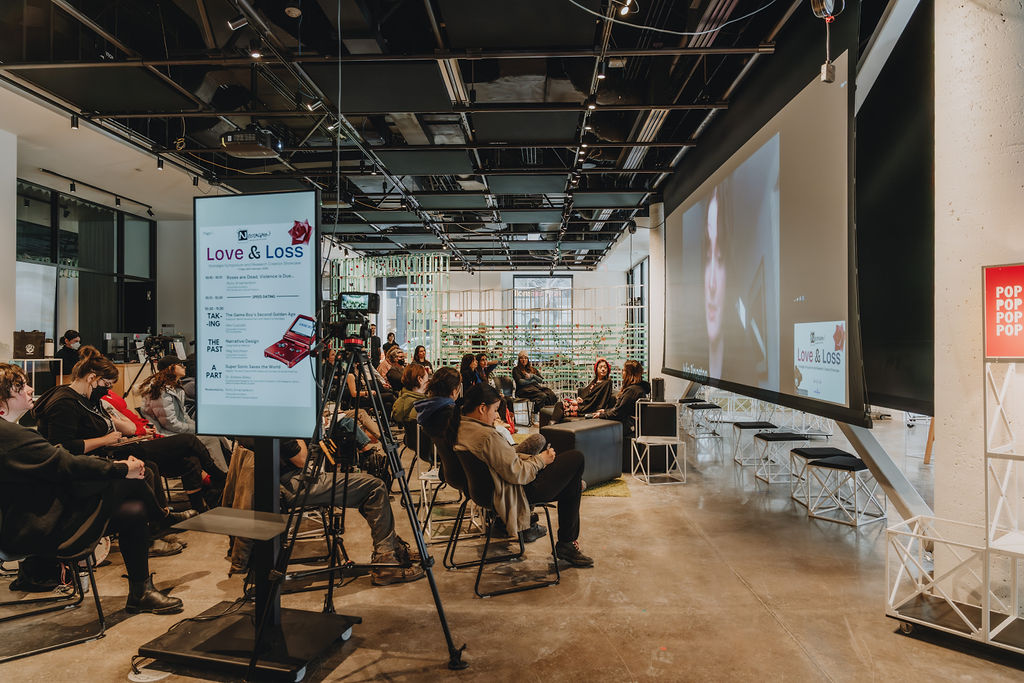
Across three years, the Network has developed an iterative design process for the symposium that encourages a meaningful experience, weaving more traditional panel presentations together with research creation exhibits and participatory activities. The collective published a paper about their design practice, Designing for Meaning. Journal publication is one piece of their story, but it’s part of a larger set of scholarly activities, each of which have their own impacts.
Inside and outside of academia, there’s a desire for research to be more transparent and less removed from public life. Part of adopting DORA, for Mulrennan, is making sure that the university can support its researchers amidst a change that is already happening, one way or another. Last year, Canada’s tri-agency announced their intention to shift from the traditional Common CV to a narrative CV format, giving researchers the opportunity to provide a fuller, more nuanced view of their work and career trajectory. For Mulrennan, this move aligns closely with DORA, “The kind of transparency and openness that DORA promotes is consistent with the growing need for researchers to be more accessible,” she says. “There’s a pressing need for us to demonstrate our responsiveness to societal challenges.”
At Concordia, that call for change was echoed in the findings of the Provost’s Task Force on the impact of the pandemic on faculty and librarians, which revealed an intense desire for a shift in how research is recognized and valued at Concordia.
“I heard it loud and clear – there’s a real need for research assessment to be broader, more holistic, and more equitable,” Mulrennan says. “Many groups have been disadvantaged under the current system.”
The university community’s reaction to Concordia signing DORA has been overwhelmingly positive. “
“Over the six years I’ve served as AVP, Research, I’ve been involved in many initiatives, but this one has sparked the most emails and texts saying, ‘it’s fantastic to see this happening.’”
Ultimately, adopting DORA is about setting Concordia’s scholars up for the future of research as well as about rewarding so much of the impactful work already happening across the university.
Mulrennan points to Jason Lewis, Computation Arts Professor and Co-Director of the Indigenous Futures Research Centre at Milieux, as an example of someone whose impacts have gained national and international recognition. Lewis was a finalist for the 2024 SSHRC Impact Partnership Award, one of the tri-agencies’ top competitions, for his work on the Initiative for Indigenous Futures. That program consisted of elements like workshops, residencies, and an archive of Indigenous digital media aimed at imagining collective Indigenous futures. With the Indigenous Futures Research Centre, Lewis is continuing to lead impact-driven work and community collaborations. The 2025 IFRC Symposium brought together Indigenous scholars from across Concordia, addressing themes like re-conceptualizing design through Indigenous knowledge systems and Indigenous cyberspace as subverting colonial representations.
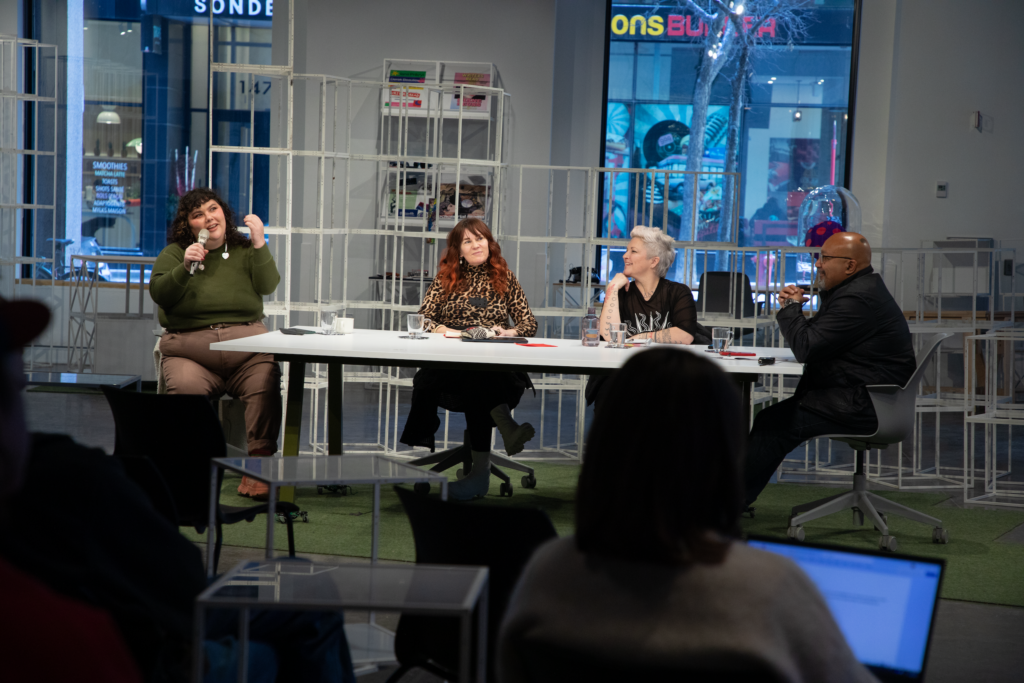
The symposium’s closing panel focused on community-based research. In partnership with the Office of Community Engagement, the panel invited six scholars for a macro-conversation about what it means to research with communities. Iako’tsi:rareh Amanda Lickers spoke about how the restrictive, merit-based approaches of many research grants can be limiting when it comes to working with communities.
“This is not just my work alone, this is the work of my collaborators and my peers, as well as our elders and our knowledge keepers, and also participants and learners,” Lickers said. “We have to honour where these knowledge systems have come from.”
Concordia’s adoption of DORA presents a timely opportunity to challenge outdated funding and hiring practices that frame research as the work of a single person or isolated team project. Meeting that challenge requires specific interventions — like Concordia’s new guidelines on responsible research assessment for the University Research Committee — alongside a deeper cultural shift across the institution.
“It’s collaborative, it’s team-based, it’s not about chasing high-impact journals,
it’s about meaningful engagement,”
Traditional research metrics, such as journal impact factors, often fail to capture the value of community-based or interdisciplinary work, Mulrennan points out.
“In mechanical engineering department, comparing researchers using metrics like the h-index is probably fine” she says. “But in interdisciplinary contexts or when collaborating across institutions, these metrics fall apart. They just don’t reflect the work being done.”
For universities to build public trust, that means building partnerships and projects that extend outside of the literal university infrastructure. Milieux’s Ethnography Lab frequently hosts events off-campus, from the Montreal Waterways Collective’s sharing of ethnographic work with the residents of île-Sainte-Thérèse at a local library this winter, to Spec Life Coordinator Maya Lamothe Katrapani’s film screening and discussion of “Chronicle of a Summer” at Cinema Public.
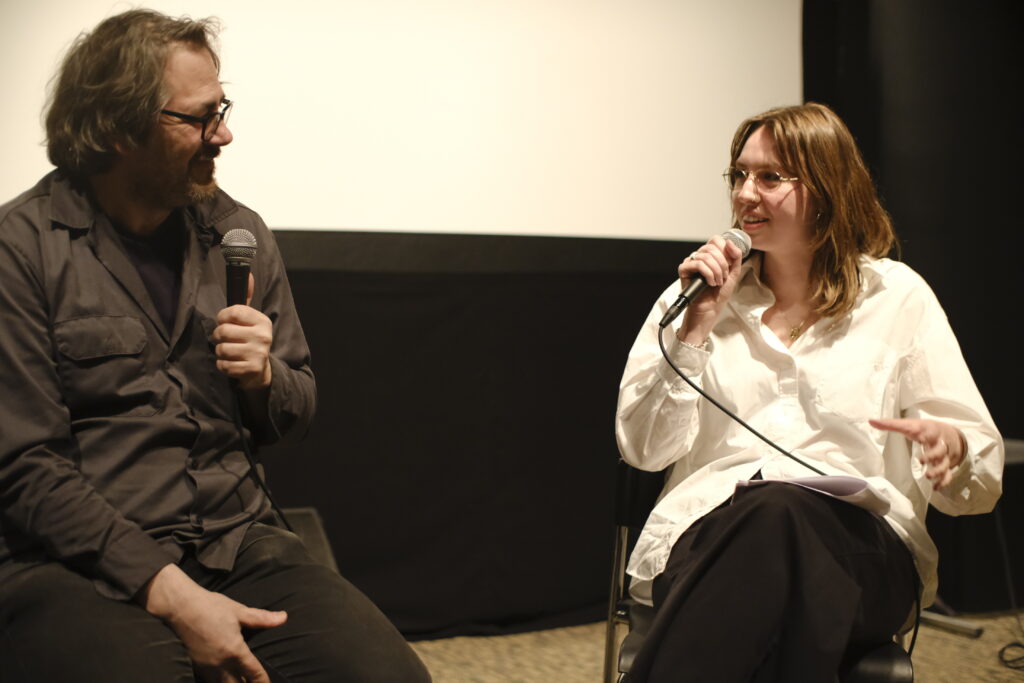
Other initiatives invite community members into the Milieux space, from Dr. Malcom Ferdinand’s full house talk on pesticides and the colonial exploitation of Martinique as part of the Spec Life speaker series, to the public exhibition and UKAI Projects collaboration, Shipwreck.
Reflecting on what makes Milieux such a natural fit for DORA, Mulrennan points to its ethos of openness. “It’s collaborative, it’s team-based, it’s not about chasing high-impact journals, it’s about meaningful engagement,” she says. “It’s basically DORA-land!”
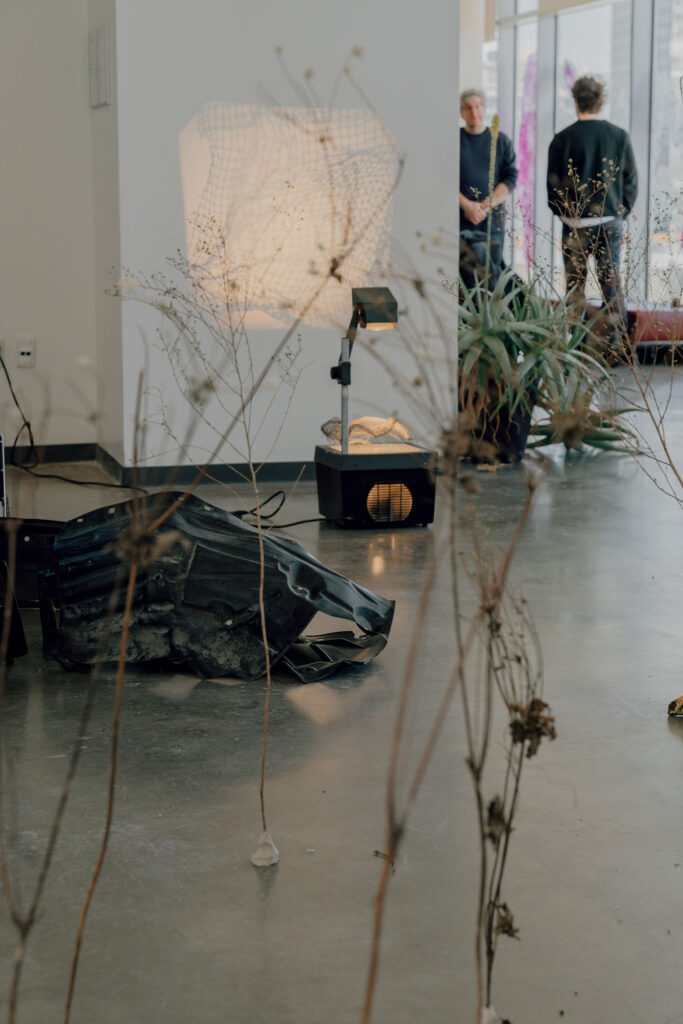
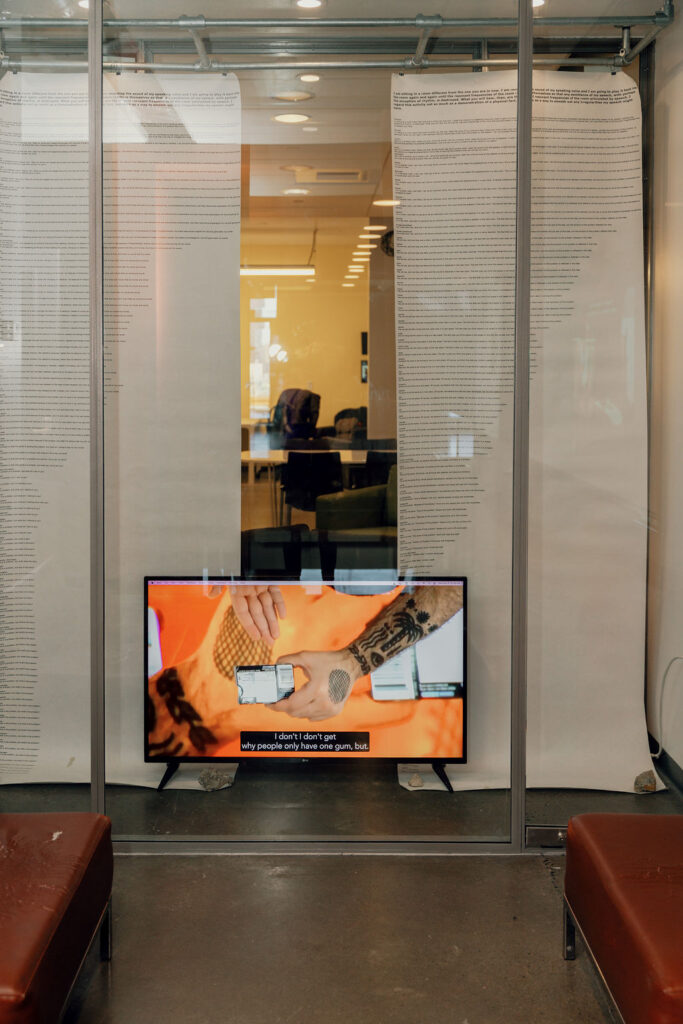
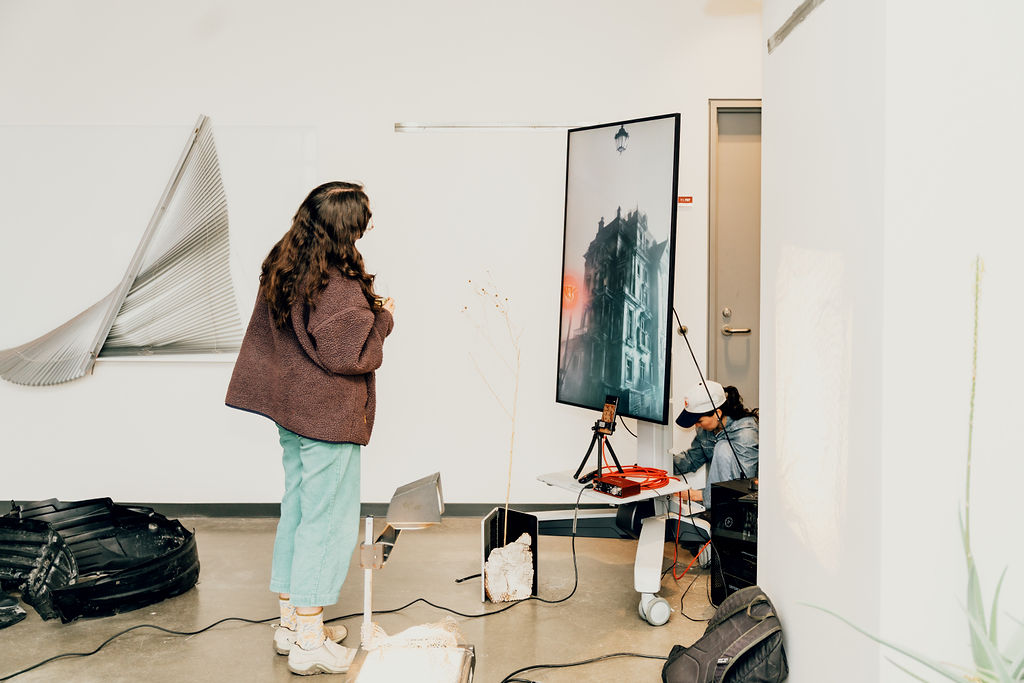
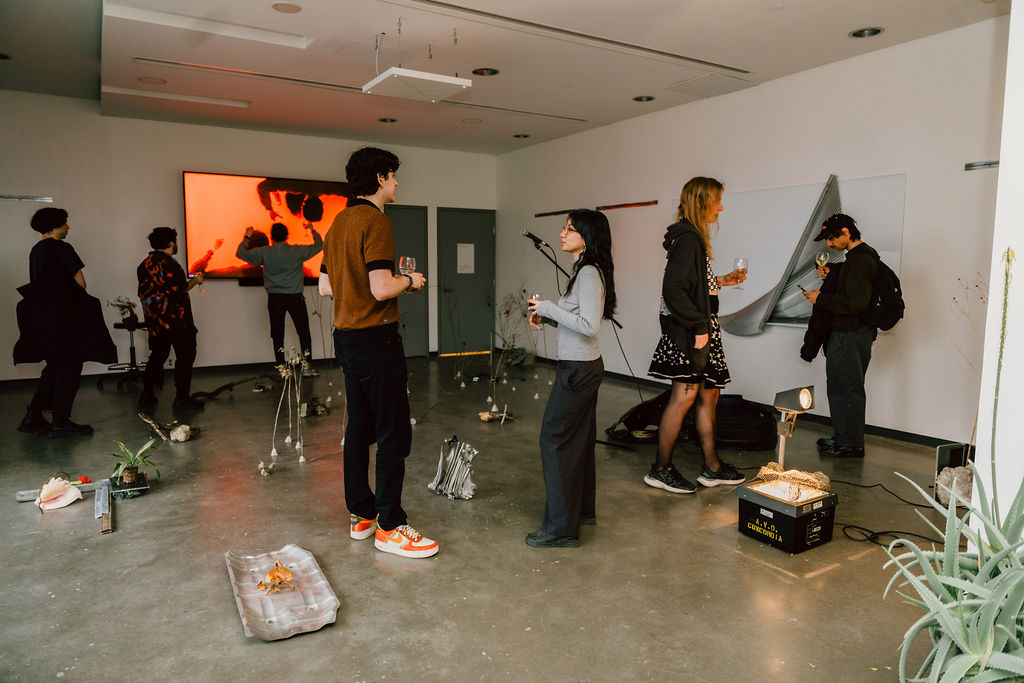
Since coming into Milieux as the Storyteller in December 2024, I’ve seen first-hand how the institute emphasizes DORA approaches. As Storyteller, my job has been to chronicle and even uncover the impacts of these kinds of initiatives. (In turn, my work contributes to Milieux’s public communications material — the 7th pathway to impact — along with Milieux’s podcast.) The outcomes of process-based, collective-driven work are not necessarily easy to capture, but what I’ve noticed through each story — and tried to convey — is the ways in which Milieux fosters an atmosphere of activity. Across the Institute’s many clusters and working groups, there’s an embedded understanding that if you have an idea, let’s see what happens. The Milieux infrastructure is there to support, and the Milieux community is there to engage. From Nostagain to Shipwreck, there’s a sense of iterative experimentation at work in Milieux.
Knowledge, here, happens through tinkering and scratching, through digging into your personal archive and bringing a memory up to the surface, or grabbing a found object and repurposing it, or trying a new tool and seeing where it takes you.
The impact of this kind of work is more than the sum of its parts. A conversation after a panel discussion becomes a collaboration; a skill attempted at a residency sparks a new creative practice; a symposium presentation opens another angle on your own research. Or maybe it’s not one moment, but the accumulation of interactions and attempts that takes you toward a destination you don’t even know is there, until you arrive.
– Rosie Long Decter, Milieux Storyteller