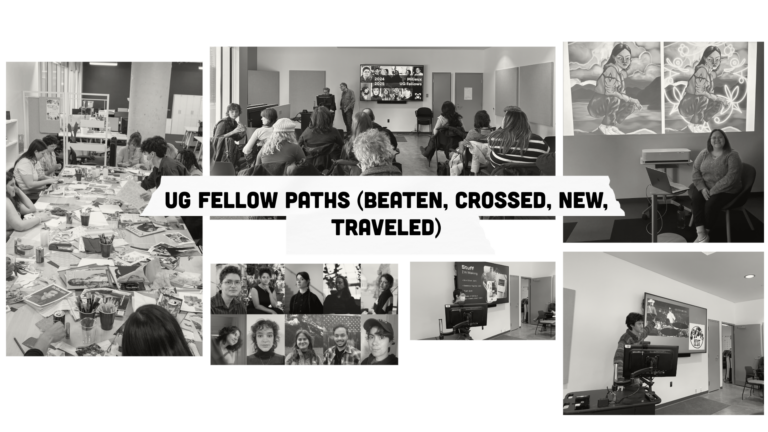
We are thrilled to announce the recipient of our 2025-26 undergraduate fellowships!
This year’s exceptional cohort represents a dynamic blend of disciplines from across six academic departments (Design & Computation Arts, Studio Arts, Anthropology & Sociology, Contemporary Dance, the Mel Hoppenheim School of Cinema and Music)—embodying the Institute’s commitment to interdisciplinary innovation. Our fellows’ groundbreaking projects span a diverse range of topics and media, from performance and film production to woodcarving, game design and weaving, each making vital contributions to their respective research clusters: Technology, Art and Games (TAG), Textiles & Materiality, Speculative Life, LePARC, and Indigenous Futures Research Centre (IFRC).
In an era marked by environmental challenges and cultural transformation, our fellows are pioneering new forms of creative expression and critical inquiry while reimagining the intersections of arts, technology, and cultural practice.
Nominated by Milieux faculty affiliates, each fellow receives financial support and full access to the Institute’s specialized resources to support their work throughout the 2025–26 academic year. As a research community, we look forward to nurturing their innovative spirit and are proud to support their work as they embark on their research journey here at Milieux.
Join us in welcoming them!
To welcome these remarkable individuals to the broader Milieux community, please join us for a special event on February 17th, 2026 in the Resource Room (EV 11.705).
12:30 PM: Come grab a slice of pizza!
1 PM: The Fellows will briefly introduce themselves to community and tell us more about their research interest and projects.
For those who are interested, the afternoon will conclude with a guided tour led by Marc Beaulieu, who will share stories of the Institute’s research spaces and reveal some of the “hidden corners” of our institute.
The Fellows
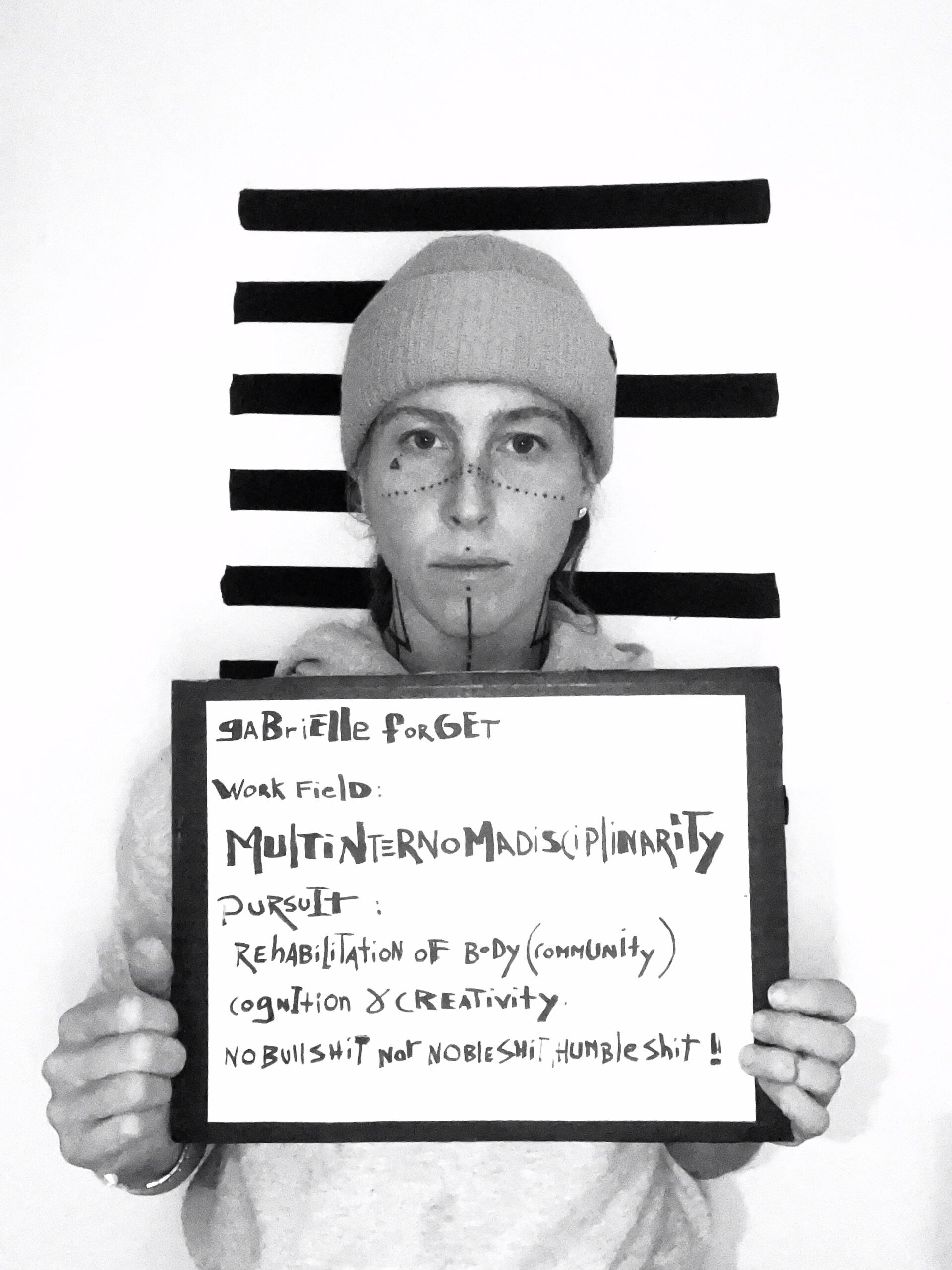
Gabrielle Forget (LePARC)
Gabrielle is an indefinite ecosystem in movement.
They are a performance artist-searcher through/ for/with/from; -street work- street art- wandering- friendship- carpentry- tattooing – architecture- clothes design- farm work -music- visual art- tree planting-ecological tracking – landscaping- writing-motherhood… They confess being a non/multi//nomad/disciplinary, non-credited, non-exceptional ever emergent artist, transforming their possibilities of becoming, learning with “others” through nomadic embodied experiences. Travelling out of mother tongue, they do learn or learn by doing. They work mainly with marginalized/ invisibilized bodies- communities-territories, as so many unsung schools, also currently studying in the Concordia Contemporary Dance department.
They study all kinds of structures, their constitution and influences over their inhabitants’ languages, relations and movements. As a nomadic symbiotic creature, often times a stranger, in a generalized context of habitat vanishing, of fragmentation and fear of the unknown, of fascism, they feel deeply concerned by the questions of inhabiting, belonging and moving between borders toward others…where/how/why do we meet…
Using the architectural, navigational, relational tools of performance languages, they’re here to discover, be the architect, the carpenter, the host, and the visitor. They’re working nonlinearly towards the rehabilitation and diversification of thinking/perspective/ learnings/languages/ bodies/communities/ecosystems/ relationships. A wandering wonderer…or wondering wanderer opening corridors of migration.
With Love and rage
Patrick McMaster (LePARC)
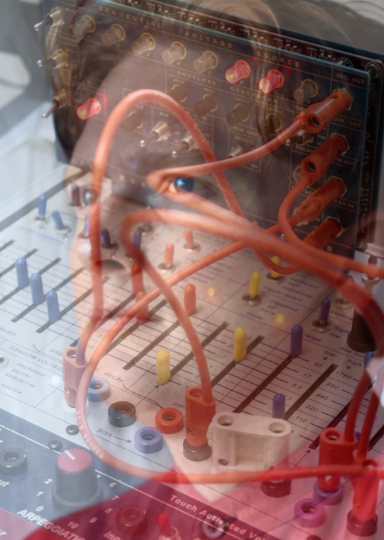
Pat McMaster is a Tiohtià:ke / Montréal-based interdisciplinary research-creator currently completing his BFA in Electroacoustic Studies, with a specialization in creative practices and a cross-faculty double major in Irish Studies.
McMaster’s practice begins with touch. Favoring the depth found in physically responsive instruments, he approaches performance as a live construction, using a toolbox of fragments and gestures that unfold through improvisation. This process is shaped by the charged tension of performing close to the audience, disrupting the traditional spectator’s role. Over the last twenty years, his research has focused on the intersection of embodiment and listening, crafting moments between disciplined technique and the crafting of ritual, transforming sound into an enveloping, physical force.
Taylor Craig (Textiles and Materiality)
Taylor Craig is an undergraduate student in the Faculty of Fine Arts at Concordia University, where he is pursuing a BFA majoring in Sculpture. His studio practice explores collecting found objects, tools, and materials, driven by contemplative curiosity and a commitment to sustainable practices. His studio practice is largely focused around woodcarving with hand tools; a process that produces woodchips as a byproduct. During this research fellowship, Taylor will be investigating ways of utilizing this waste product, with the goal of creating a usable raw material to be used in sculptural applications.
Recently, Taylor was selected as the winner of Concordia University’s Annual Outdoor Sculpture Competition (2025–2026), and his work has been exhibited in Aggregate, a group show of undergraduate sculpture students presented by Soft Square Gallery at Galerie Nicholas Robert (2025). His contributions to decolonization efforts in the Faculty of Fine Arts were featured in an article published by the CBC titled Sculpting Decolonialization at Concordia, reflecting his engagement with social and environmental themes in his art (2023).
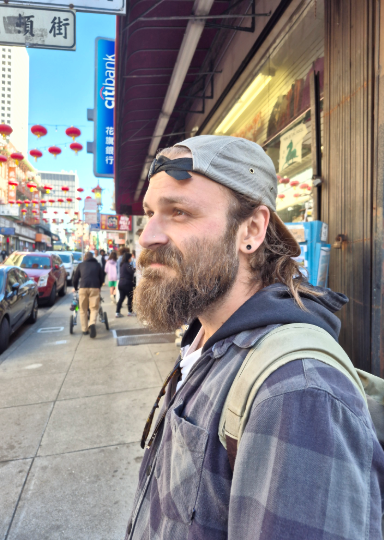
Léonie Régol-Péloquin (Textiles and Materiality)
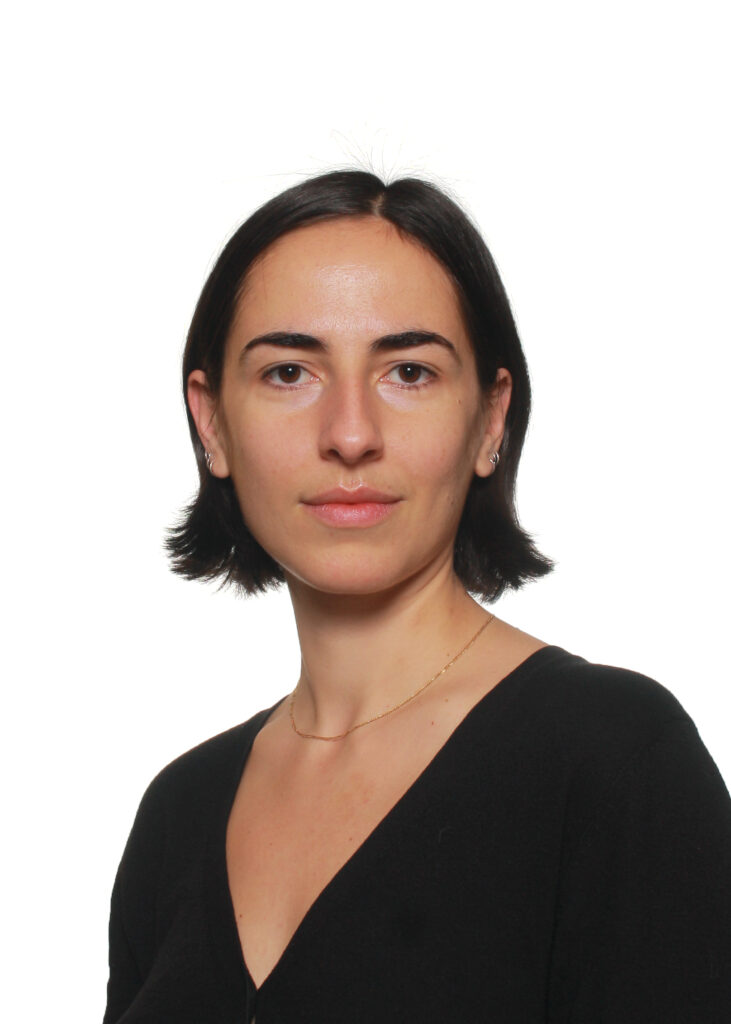
Léonie Régol-Péloquin (b. Montreal) is currently pursuing a Bachelor’s degree in Fibres and Material Practices at Concordia University, where she is developing a practice rooted in textile arts. Introduced to textile practices in 2017 at the Centre des Textiles Contemporains de Montréal, she has since maintained a strong affinity for weaving. Having first approached the medium through a craft-based perspective and now deepening her training within a fine arts context, she centers her practice around the relationships and hierarchies between art and craft. She is particularly interested in the place of craft skills in a society marked by the industrialization of these techniques.
In 2025, she took part in the emerging artists exhibition L’origine des ombres, presented as part of the Biennale internationale du lin de Portneuf. She is currently participating in a student exchange at the Pontificia Universidad Javeriana in Bogotá, Colombia, where she is taking courses in art history, visual arts, and design.
Bea Hoekstra (TAG)
bea flowers is undertaking a Bachelor’s in Computer Science/Computational Arts Joint Major as a backup plan in case capitalism doesn’t end in our lifetime. After years of political projects and itinerate living, they’re turning towards the kinds of artistic work that require visibility and a reliable source of electricity. They are a recipient of the Undergraduate Fellowship Award with TAG, and a member of the Materializing Design Research group. Their life is a juggling act of caring for their community with the intellectual expansion of academia.
Bea’s work combats dissociation and apathy by finding ways to reintegrate with our bodies and reconnect with our liberated desires. They believe our technology can make us more human, not less, if outsiders get agency over its design. bea’s projects focus on absurd electronics, alternative controllers, non-human relationships, and ecological/interpersonal connections.
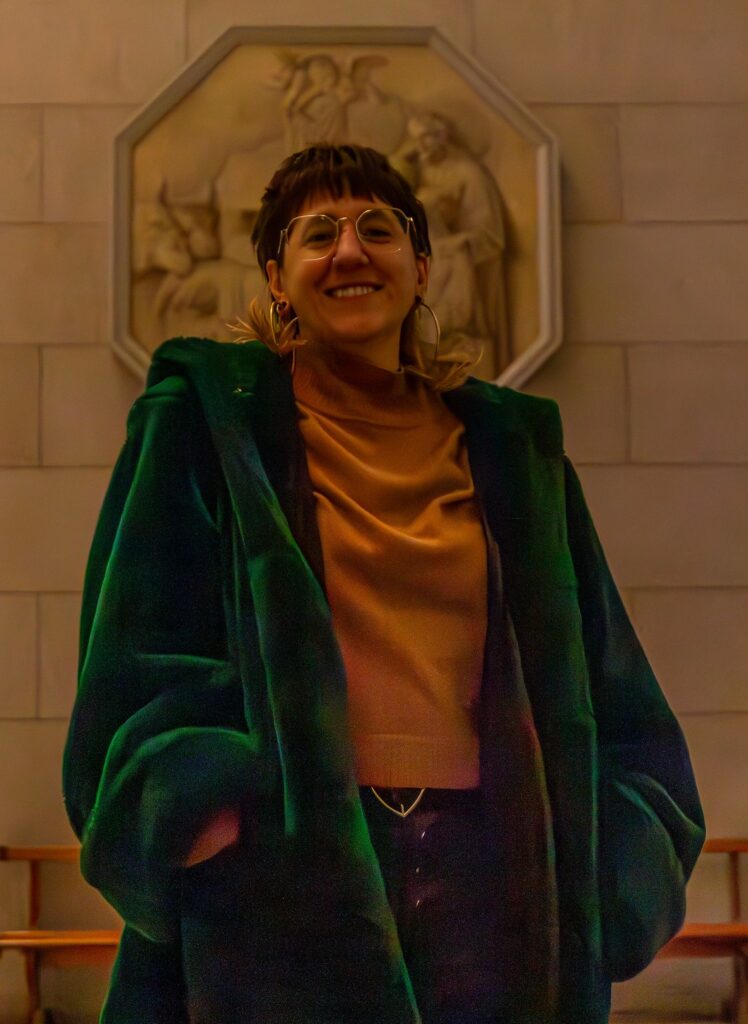
Nadia Abdul Aziz (TAG)
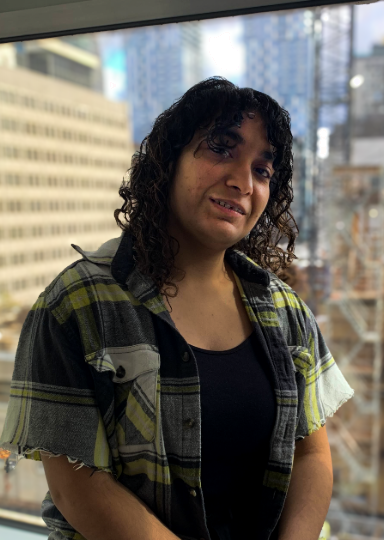
Nadia Abdul Aziz is an undergraduate student in Computation Arts with a minor in Electroacoustics at Concordia University. Her practice centers on game design and interactive media, with a strong focus on immersive 3D environments, sound-driven experiences, and narrative systems. Drawing from an early background in photography and film, she approaches digital work with a sensitivity to composition, atmosphere, and storytelling. She is particularly interested in how interactivity shapes emotional experience, how sound can guide visual meaning, how player movement can carry narrative weight, and how digital systems can feel alive and embodied. Her projects span games, installations, and standalone interactive pieces, often blending generative audio, real-time visuals, and experimental mechanics.
Emilie Exler (Speculative Life)
Emilie is a third-year Anthropology and Sociology student at Concordia University. She has an interest in social justice, sustainability, urban environments, and the more-than-human entanglements that emerge within them. Her academic work is motivated by an interest in examining human–world relations and the alternative ways of living and knowing that emerge beyond dominant systems. She is particularly drawn to creative qualitative and ethnographic approaches that center sensory experience. Outside of her studies, she enjoys reading, writing, and crafting—practices which help inform how she thinks creatively and critically about the world around her. Through this fellowship, she hopes to further explore her interests in an interdisciplinary way. She is currently completing her Honours Anthropology thesis on knowledge acquisition and transmission in alternative food justice spaces.
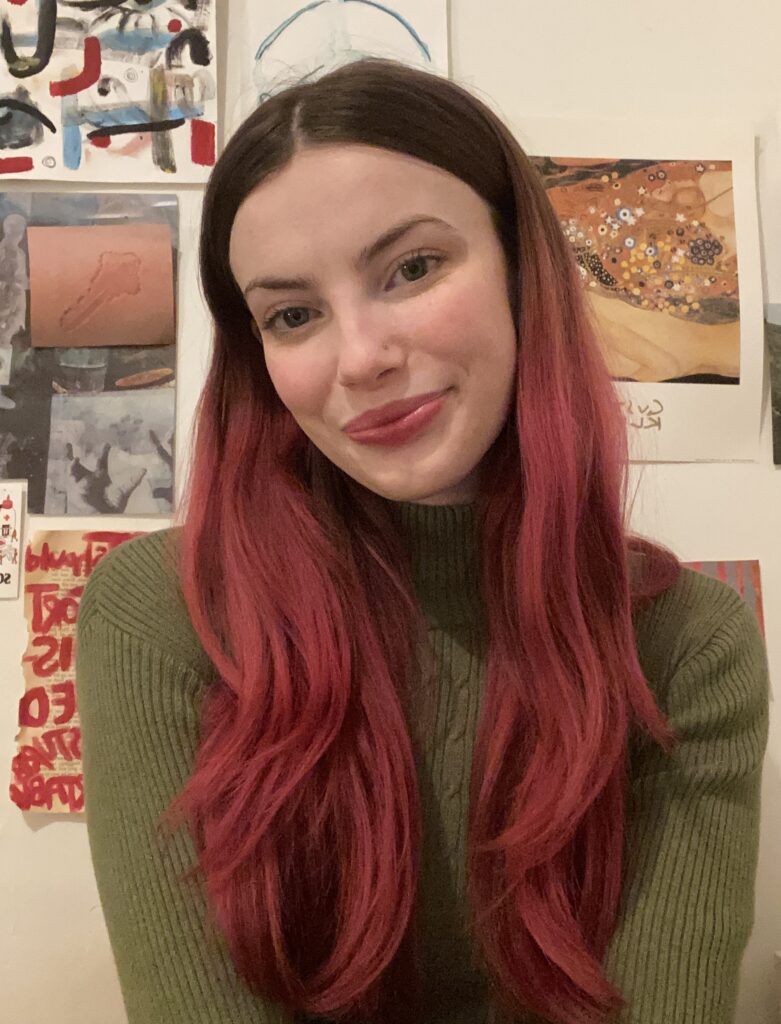
Robin Harney (Speculative Life)

Robin Harney is an undergraduate student pursuing a Specialization in Anthropology at Concordia University, with research interests in identity, belonging, and cultural life in globalized societies. Her Nicaraguan-Canadian bicultural identity has been fundamental in shaping her curiosity about how people navigate and create belonging across cultural boundaries, especially in multicultural contexts shaped by migration and transnational connections. She is drawn to exploring how heritage, migration, and community formation intersect in contexts where local and transnational identities are continuously negotiated and reshaped.
In summer 2025, Robin participated in the Milieux Institute’s “Mess and Methods: Experiments in environmental ethnography” seminar, where collaborative composite ethnography strengthened her interest in innovative and collectively structured approaches to research. Through this fellowship, Robin looks forward to further developing her ethnographic skills and engaging with interdisciplinary researchers committed to experimental methodologies.
Lucas Prud’homme (IFRC)
Lucas Prud’homme is an emerging filmmaker and undergraduate student in the Mel Hoppenheim School of Cinema (Concordia University). While fluent across all aspects of production, he specializes in screenwriting, editing, and sound design. His current creative focus is on documentary filmmaking.
Born and raised in Inuvik, NWT, Lucas hopes to return there and showcase Inuvik’s unique culture and unwavering beauty, while bringing wider awareness to its socio-economic challenges.
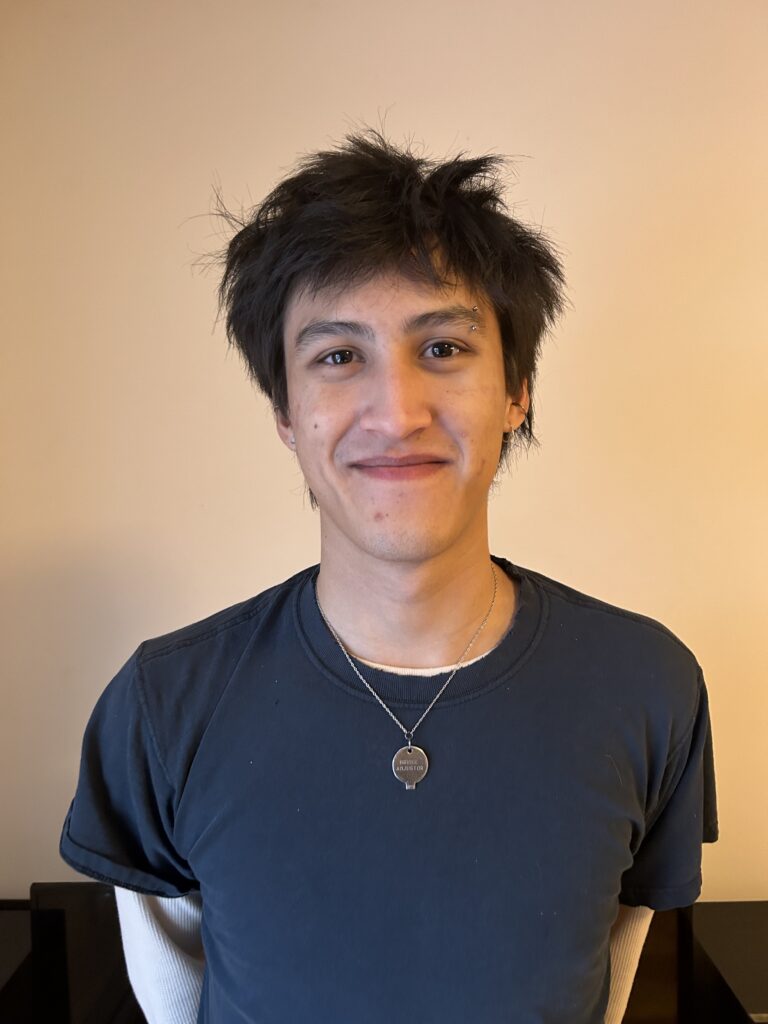
Adrian Sakiestewa Gonzales (IFRC)
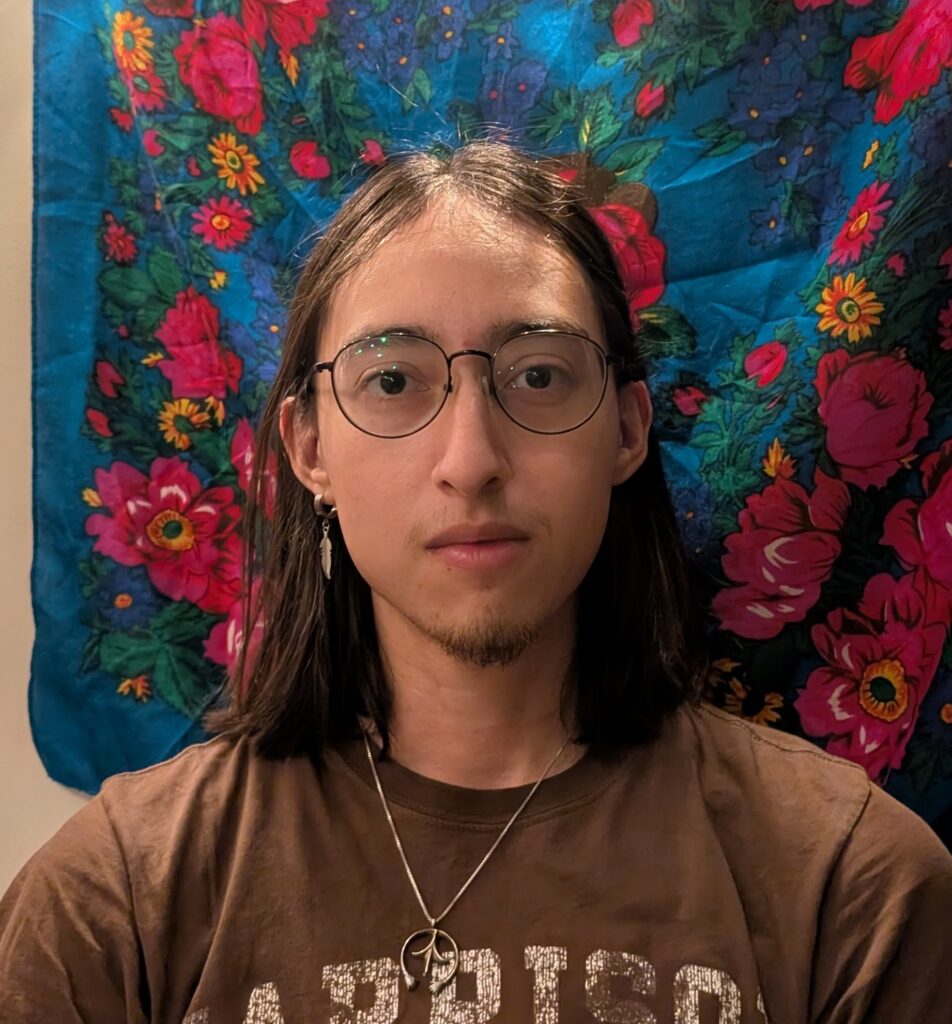
Adrian Sakiestewa Gonzales (he/him) is a 2S Hopi, Diné, and Latino undergraduate student in Art History with a minor in First Peoples Studies at Concordia University. He is a 2016 graduate of the Visual Arts program at Dawson College. Raised in Southern Arizona, he has lived in Tiohtià:ke since 2013.
His interests focus on Indigenous art, with particular attention to materiality, queer representation, and cultural translation within contemporary artistic practices. He is also interested in reproductions of ancestral objects and the relationalities that emerge between Indigenous knowledge systems, biology, and other sciences.
Adrian has previously been involved with the Youth Council at Native Montréal and he currently works as a Research Assistant to Dr. Michelle McGeough and Prof. Nadia Myre.