
Six months into my time as the Milieux Institute’s storyteller and I’m still discovering new sites of research and creation. Today, it’s the MaSH lab, a relatively new research space for making and experimenting with matter through sustainable processes. I’ve been invited by the lab’s director, Miranda Smitheram, interrupting her sabbatical to ask her about the Textiles & Materiality cluster, where she’s served as co-director since 2021.
MS: What I really love about Milieux is that it provides this home and grounding sort of space for fermentation and cross-pollination of ideas and research amongst emerging as well as more established researchers. Textiles and Materiality has quite a broad remit given that materiality runs across lots of different research fields. We have librarians, we have art historians, we have people working in textiles and fibers of course, but also sculpture and design and even computation arts. The cohort of Textiles and Materiality comes from a really broad range but maybe have similar thematics that they’re interested in or able to support and discuss with each other or sort of localized around different thematics.”
NT: So there are people from so many different disciplines and they’re coming together in one cluster. What does that look like?
MS: It looks like a lot of people who are very interested in how materials and processes come together with theory and I think that’s really interesting in and of itself. Theory is often abstract and in Textiles and Materiality you see people who are interested and engaged with research and theory but are interested in how that manifests physically in the world.
NT: Have the cluster’s research interests changed in your time?
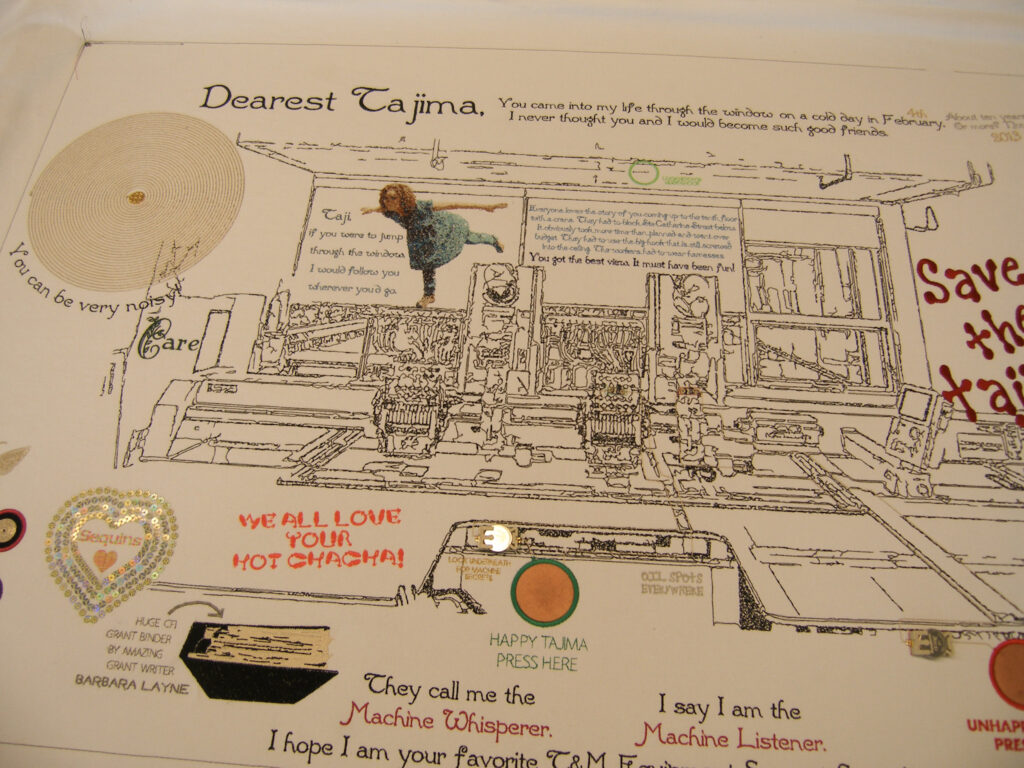
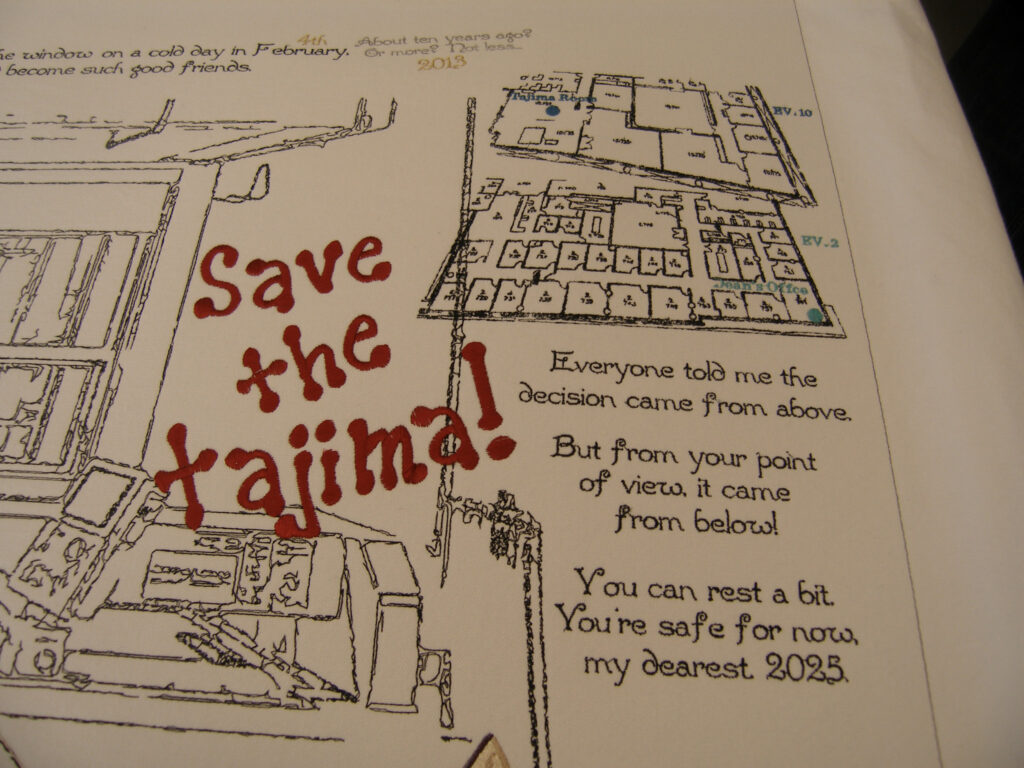
MS: I think the focus of Textiles and Materiality shifts over time to reflect the research interests that are bubbling up, and becoming more pertinent or more necessary in people’s minds and hearts and interests. I think before I came on board there was a lot of interest and research and development in smart textiles and wearable technologies, and I would say at the moment a kind of more key theme that I’ve seen over the past year and a half is definitely communities of care. So there’s different research projects that sit broadly within that or adjacent to that. But from our student membership themselves, there has been a lot of discussion and interest really in advocating and hopefully arguing for care itself as a methodology.
*
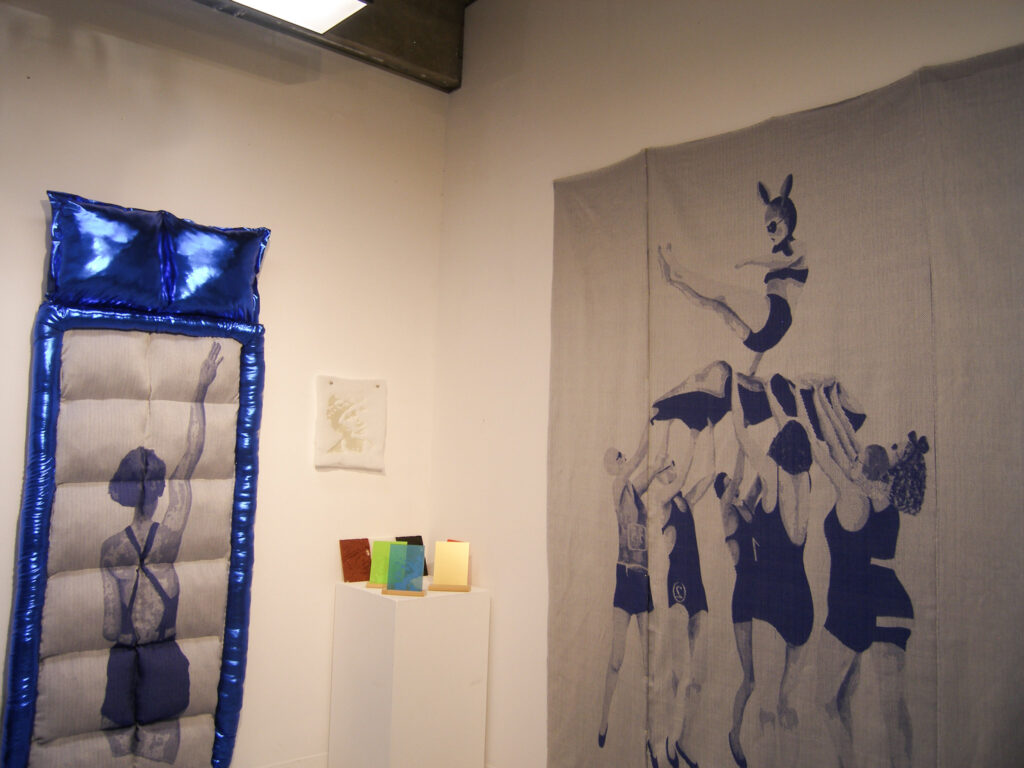
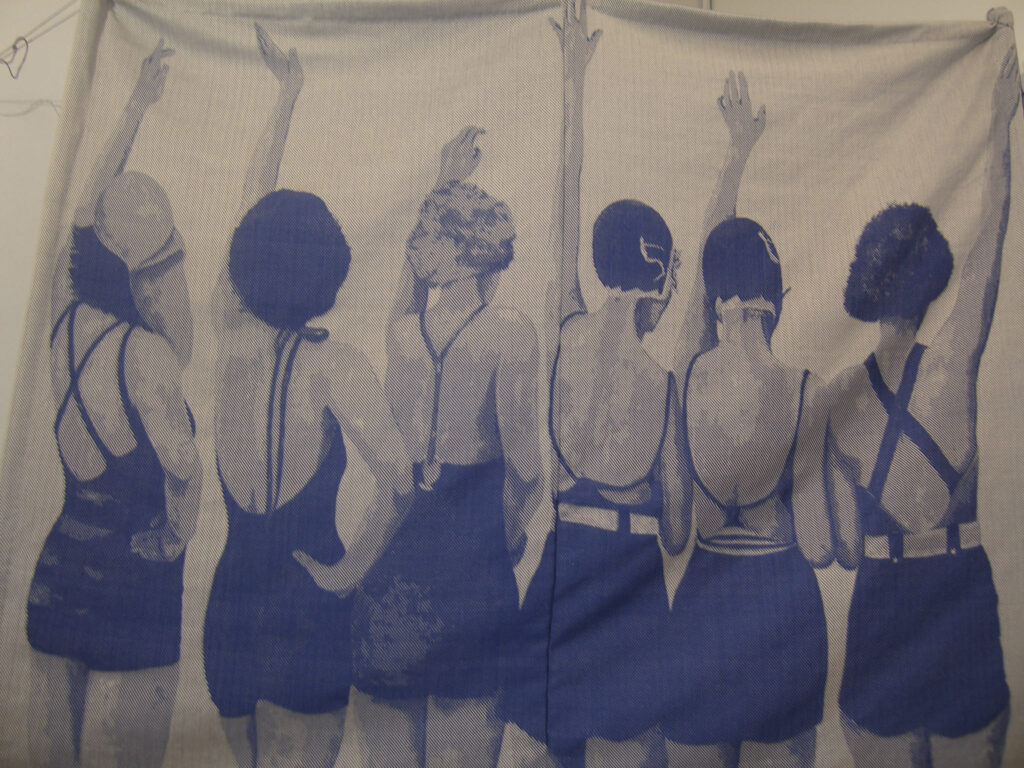
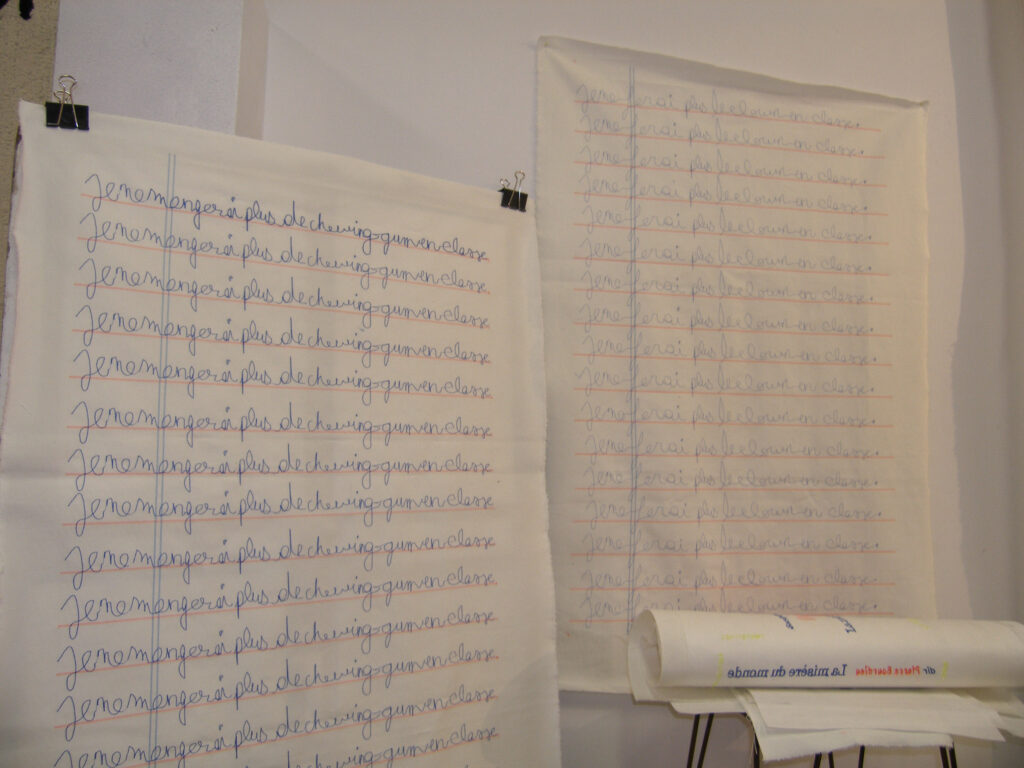
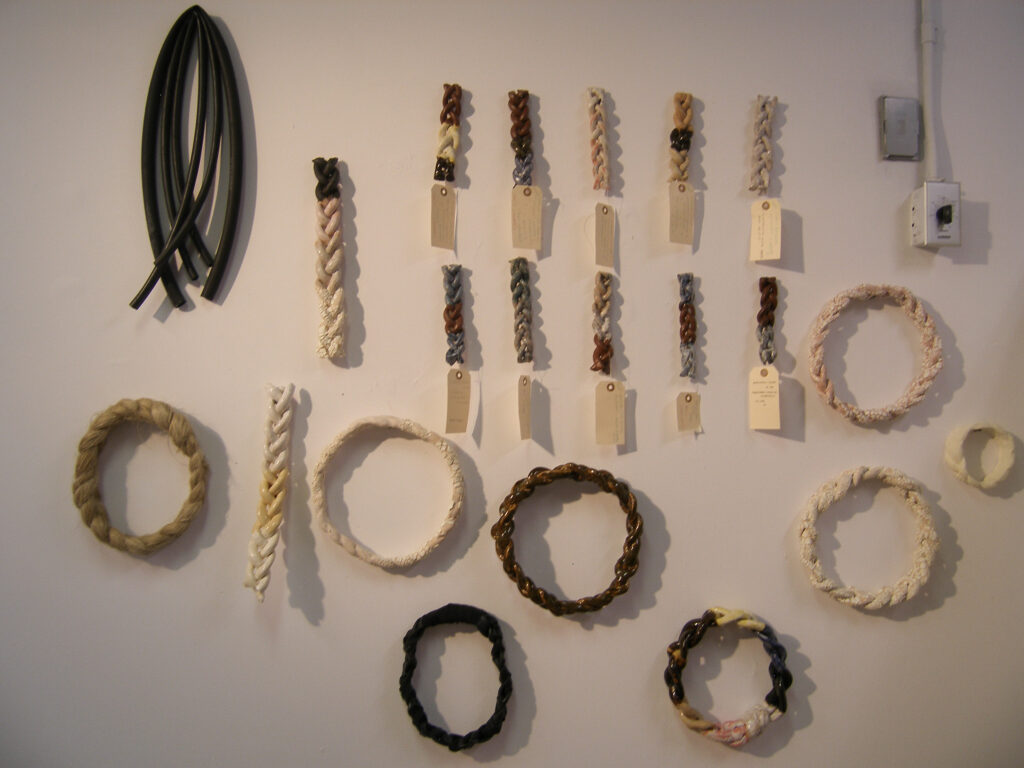
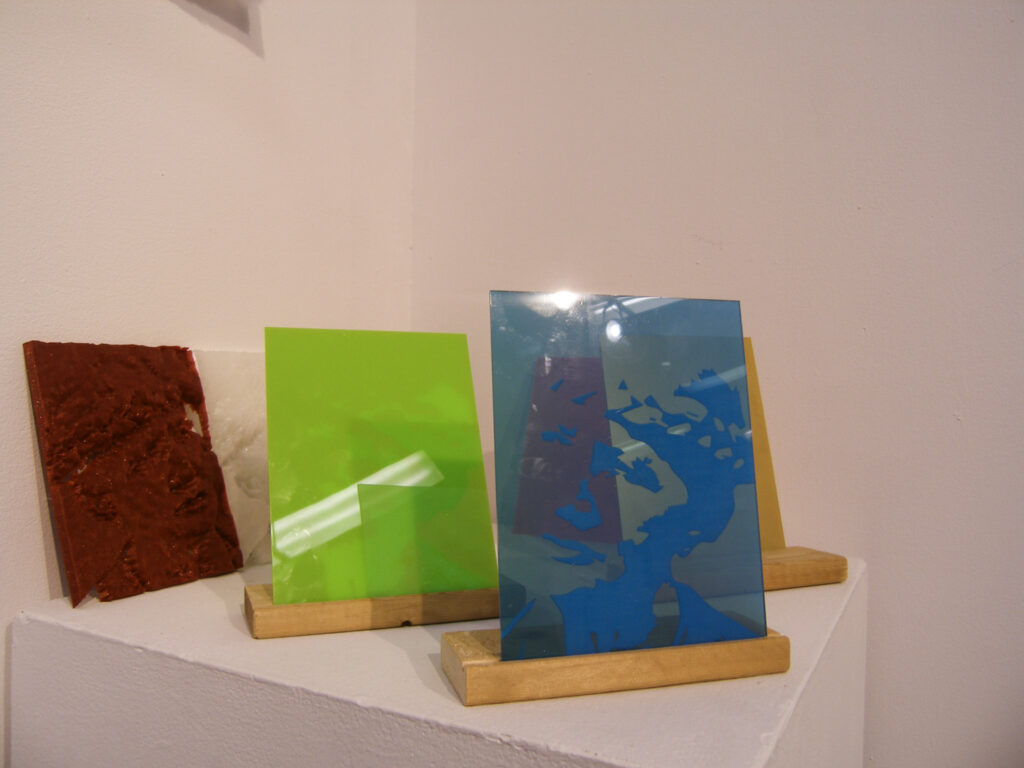
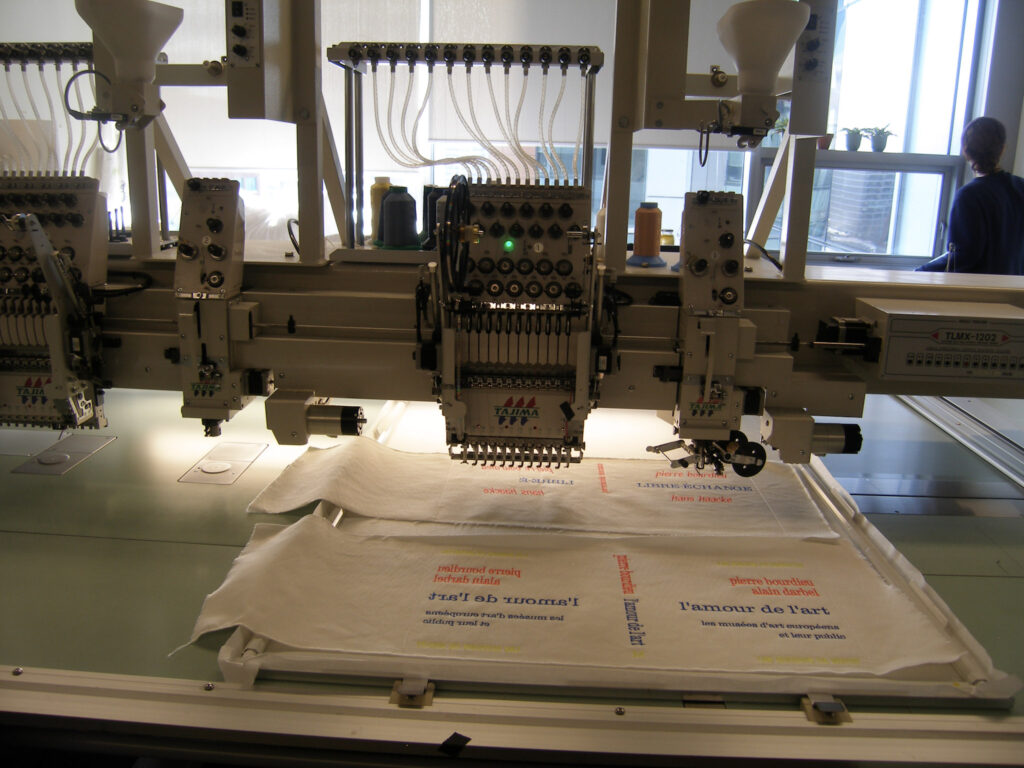
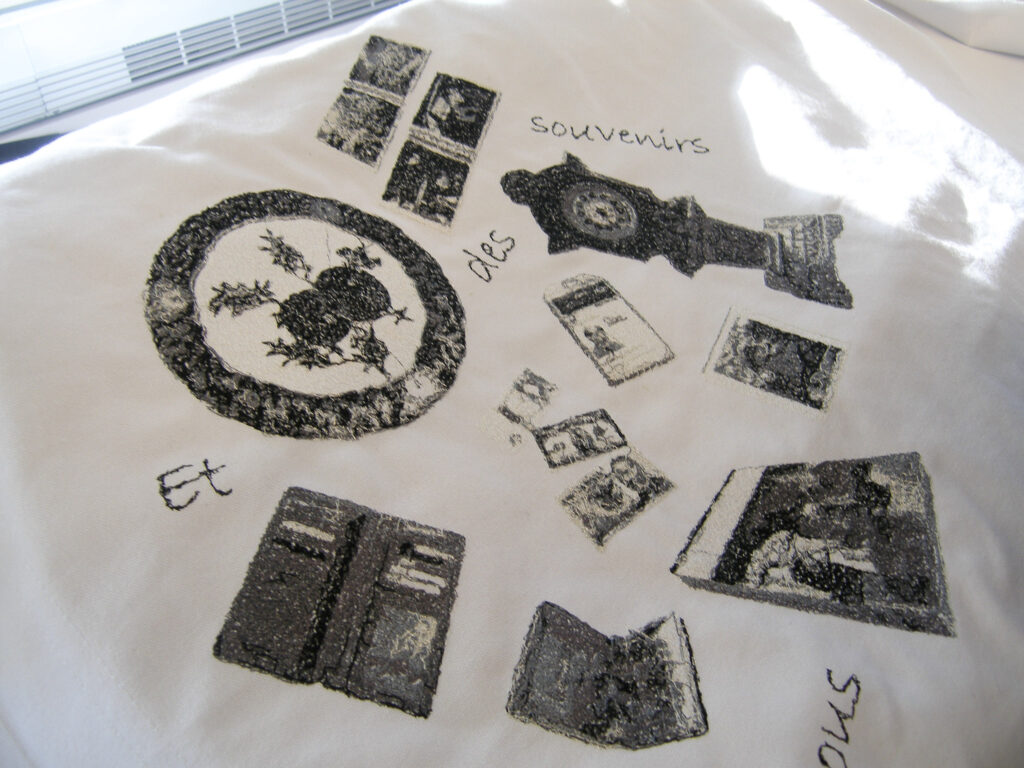
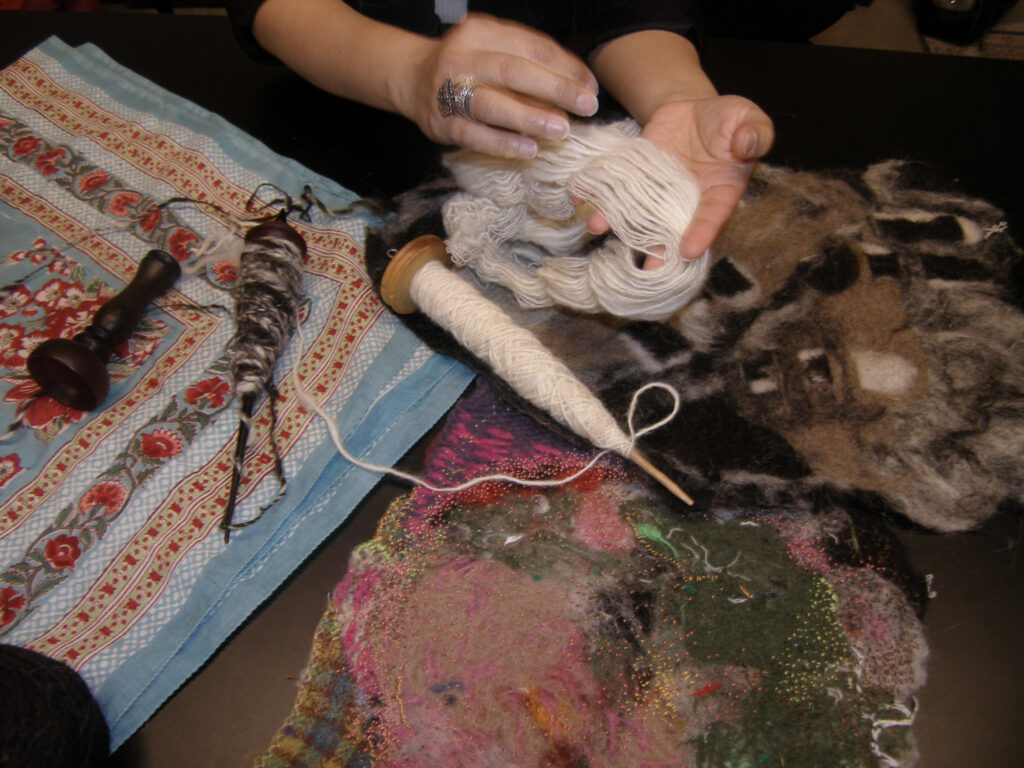
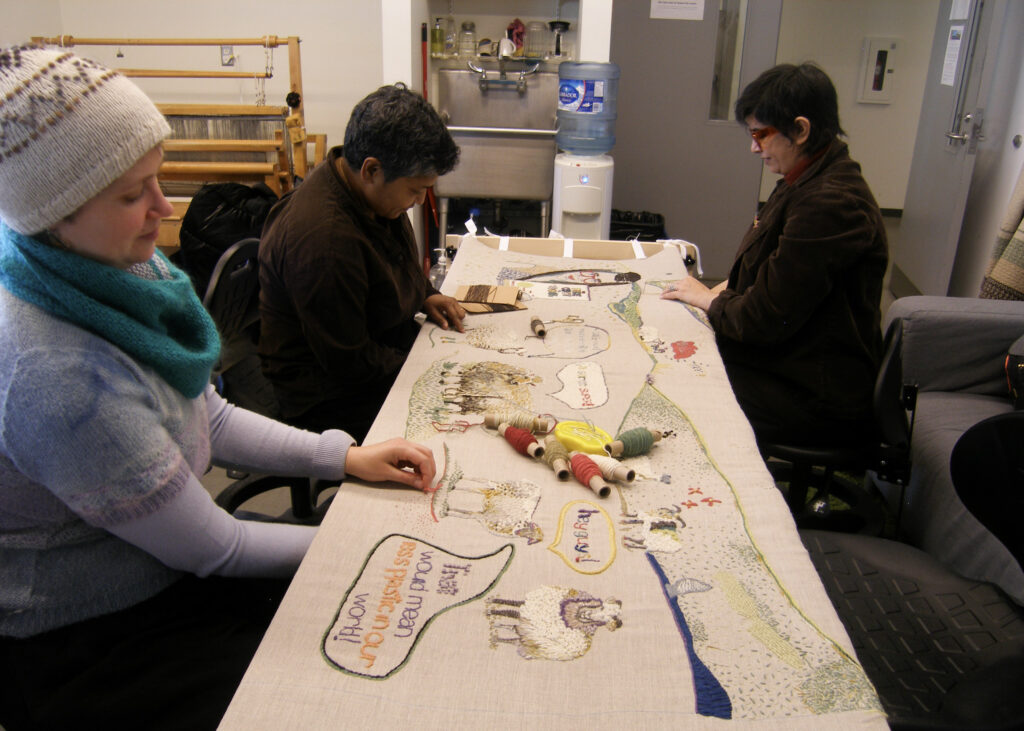
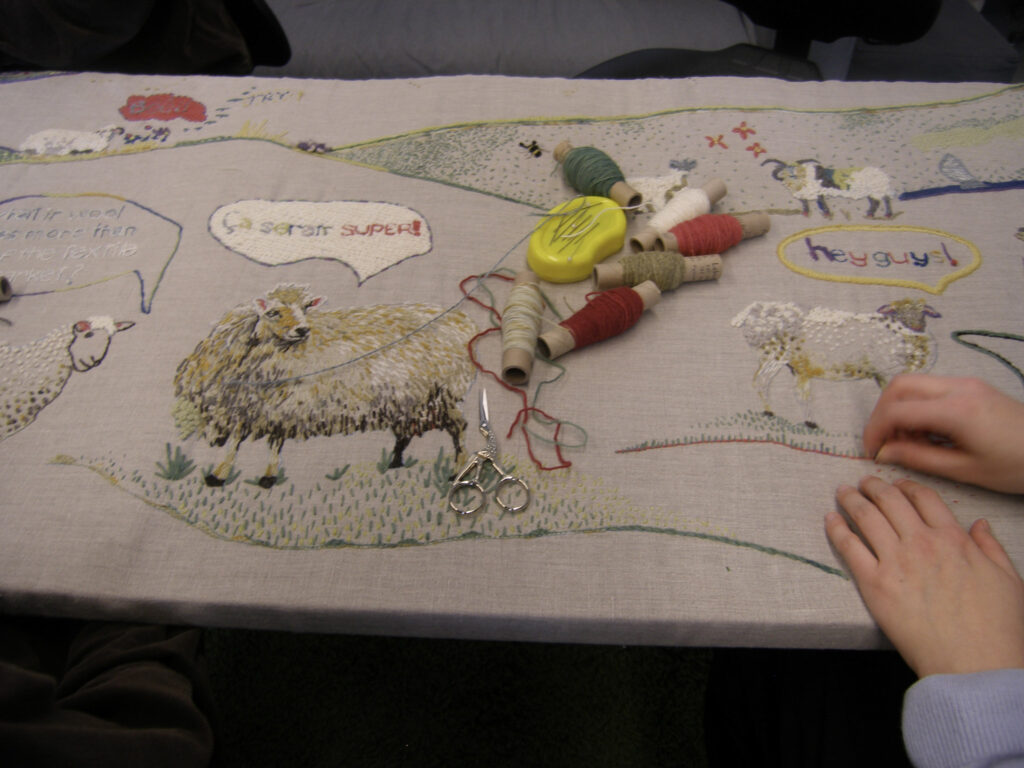
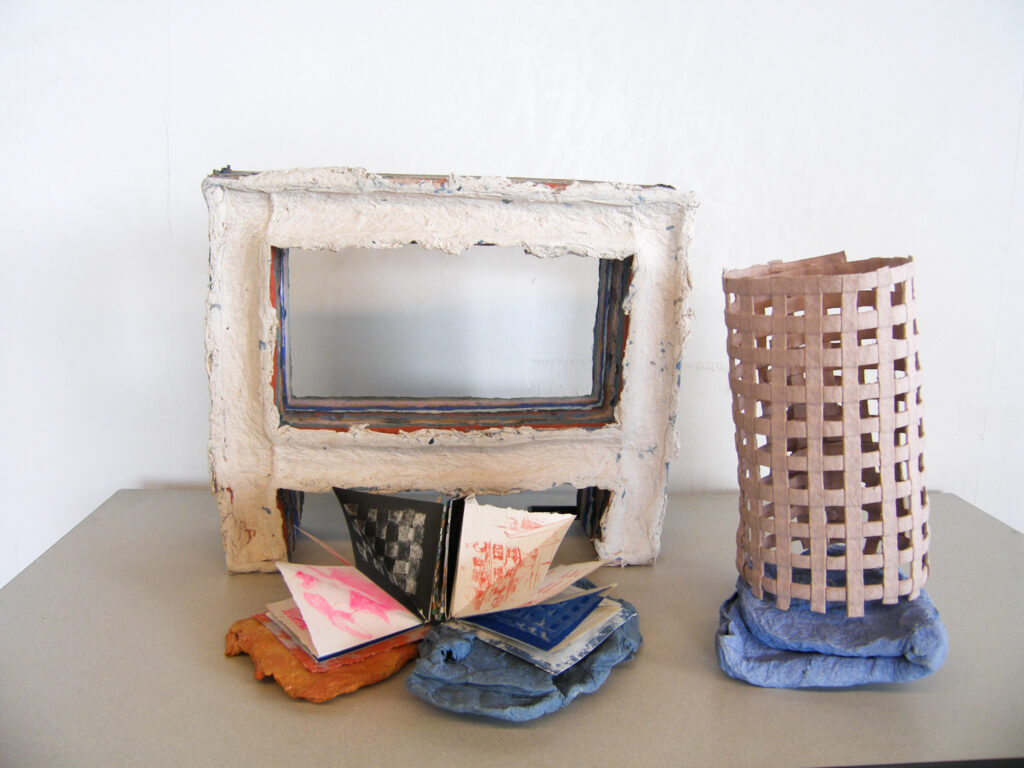
This photo essay documents works in progress by members of Textiles & Materiality, showcasing a range and unity within the cluster that can only make sense when witnessed. The convergence of historied techniques and traditions with new technologies and research interests afford the cluster a unique vibrancy, relevance, and position both within Milieux and the larger landscape of research-creation. Whenever I met a member of the cluster, I left with research homework: obscure painters, Russian metalwork, the intricacies of wool.
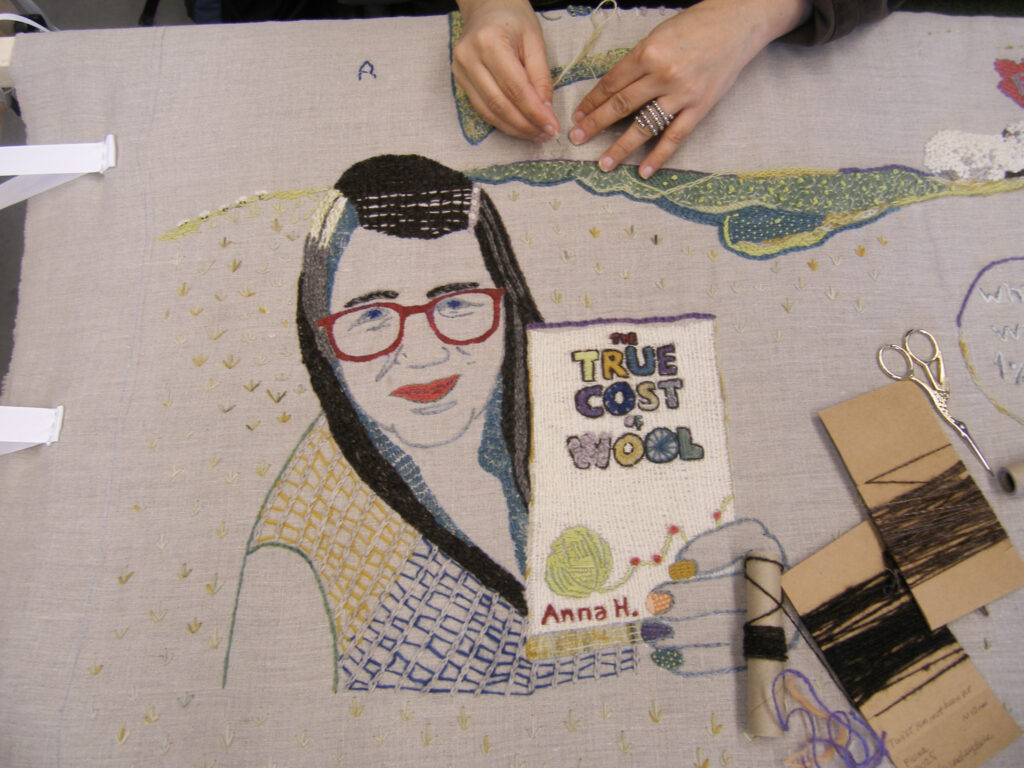
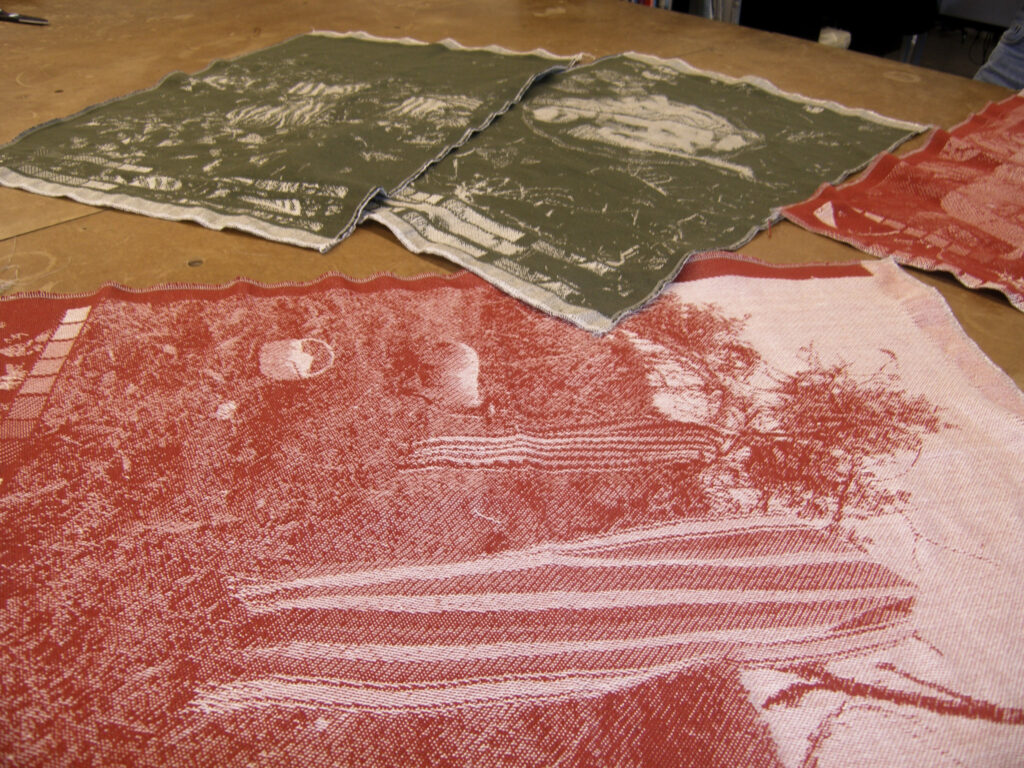
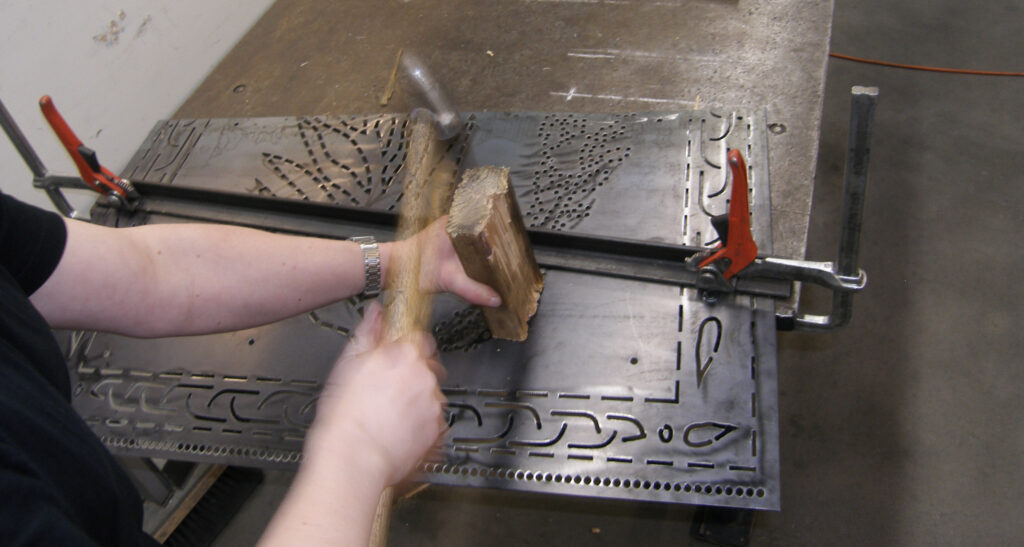
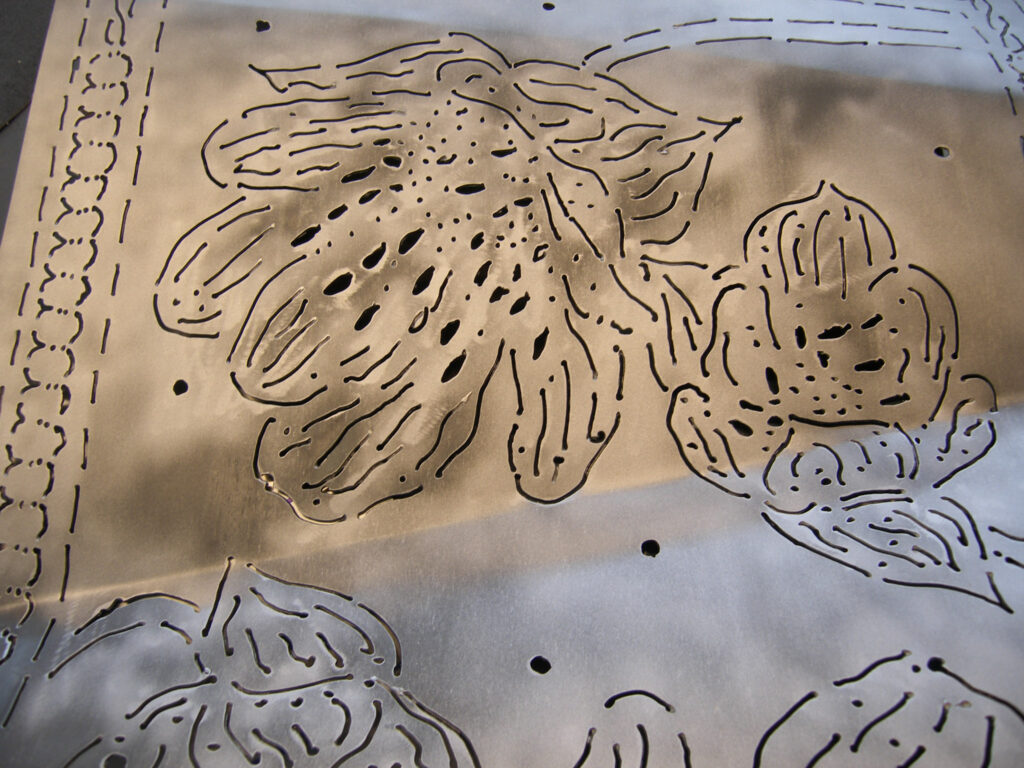
– Nadia Trudel, Milieux Storyteller