
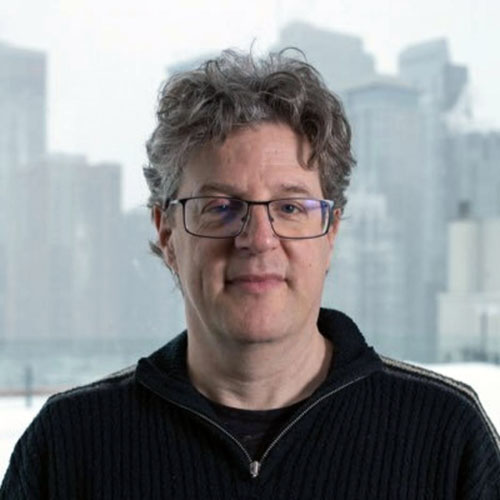
Bart Simon
Bart Simon is the director of Milieux, TAG research centre co-founder and Professor in the Department of Sociology and Anthropology. His areas of expertise include game studies, science and technology studies and cultural sociology. His game studies and design research crosses a variety of genres and platforms looking at the relation of game cultures, socio-materiality and everyday life. His current research on the Immersive Theatre and Games, materialities of play, and player-makers in Minecraft is funded by the Social Science and Humanities Council of Canada. Other projects include work on indie game scenes, solar media, social theories of play, and modding cultures. Concordia Explore Page
See more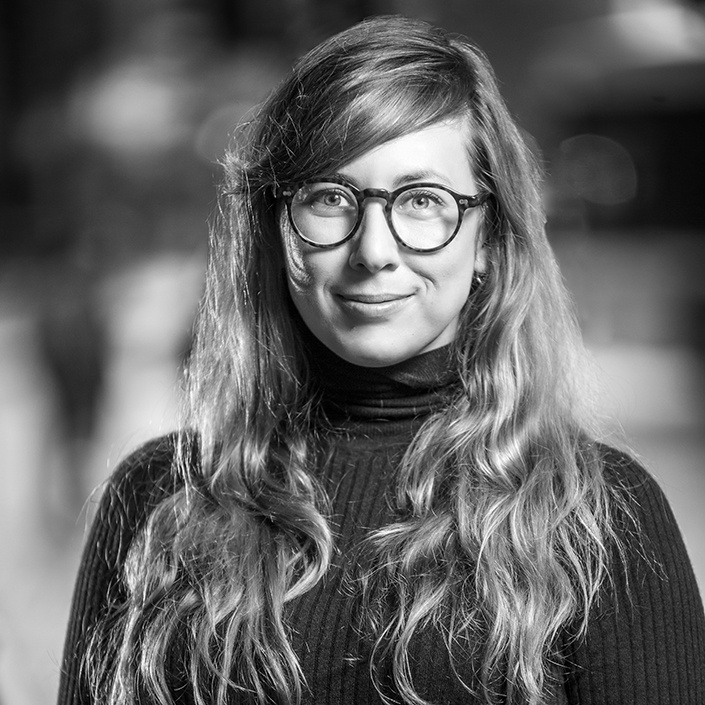
Alice Jarry
Artist & researcher Dr. Alice Jarry is the Associate Director of Milieux and the Director of the Milieux 'Speculative Life' BioLab. She is the Concordia University Research Chair in Critical Practices in Materials and Materiality and Assistant Professor in Design and Computation Arts. Alice specializes in site-specific responsive works, socio-environmental design, digital arts, tangible media, and community-oriented projects. Her research brings concerns about sustainability, aesthetics, and politics to bear critically upon materiality, material production, and contemporary matters-of-concern regarding urban communities and infrastructures. With matter inseparable from both form and practice, her installation work examines how materiality - engaged in constant processes of transformation and circulation with site, technology, and communities - can provoke the emergence of adaptive forms and resilient socio-environmental relations. Alice Jarry Website Concordia Explore Page
See more
Darren Wershler
Darren Wershler was interim director of Milieux for the first half of 2023 and co-director of the Media and Materiality Research Cluster from 2015 - 2018. He is also the Director of the Residual Media Depot at Milieux and a co-founding member of the Media History Research Centre. Darren is an Associate Professor in English and the Concordia University Research Chair for Media & Contemporary Literature. He recently co-authored The Lab Book: Situated Practices in Media Studies, with Lori Emerson and Jussi Parikka, published in 2022. Dr Wershler specializes in media history and media archaeology, with a particular interest in the material culture of analog and early digital technologies.
See more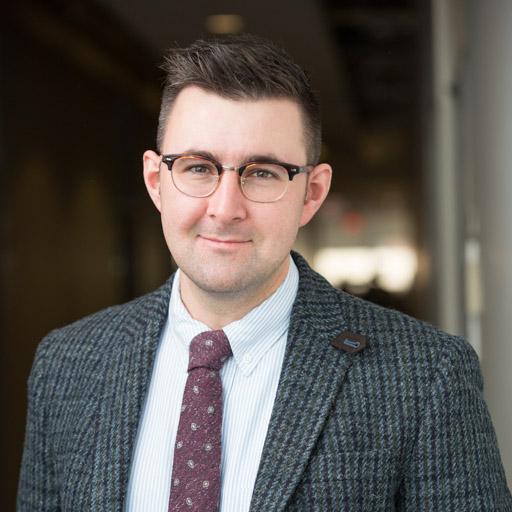
Fenwick McKelvey
Fenwick McKelvey is an Associate Professor in Information and Communication Technology Policy in the Department of Communication Studies at Concordia University. He is co-director of the Applied AI Institute and leads Machine Agencies at the Milieux Institute. He studies digital politics and policy. He is the author of Internet Daemons: Digital Communications Possessed (University of Minnesota Press, 2018) winner of the 2019 Gertrude J. Robinson Book Award. He is co-author of The Permanent Campaign: New Media, New Politics (Peter Lang, 2012) with Greg Elmer and Ganaele Langlois.
See more
Ann-Louise Davidson
Ann-Louise Davidson Ph.D. is the Director of Concordia University's Innovation Lab and is the Innovation Strategic Advisor for the Faculty of Arts and Science. She is a Full Professor in the Department of Education and she teaches in interdisciplinary programs. From 2017 to 2024, Dr. Davidson held the Concordia University Research Chair in Maker Culture. During that time, she created the Education Makers research group, which brings together a community of educators, students, and community members working together to push the boundaries of knowledge of the maker movement in education. Dr. Davidson is recognized internationally for her groundbreaking work in integrating innovation across various fields, including artificial intelligence, global issues, health, sustainability, and motivation among young people. As a researcher, she is engaged in co-designing learning experiences and workshop concepts that draw inspiration from these crucial themes, driving forward disruptive pedagogies with emerging technologies. Her contributions to innovation span disciplines, shaping the future of higher education and beyond.
See more
Jill Didur
Jill Didur is Co-Director of the Speculative Life research cluster at Milieux and Professor in English at Concordia University. Didur is also the Director of the Critical Anthropocene Research Group (CARG), a collaboration with faculty in Geography Planning and the Environment and English that investigates the cultural, historical and political roots of human-induced climate change with an emphasis on its origins in the history of empire, race,and globalization. She is co-editor of Global Ecologies and the Environmental Humanities:Postcolonial Approaches and author of Unsettling Partition: Literature, Gender, Memory. She is completing a co-edited volume with Nalini Mohabir, (Post)Colonial Ports: Place and NonPlace in the Ecotone (forthcoming, 2024). Didur supervises graduate students working in a wide range of areas, including the environmental humanities, critical Anthropocene studies, postcolonial and decolonial studies, contemporary literature and theory, South Asian literature in English, and critical posthumanism and plant studies. Jill Didur Website Concordia Explore Page
See more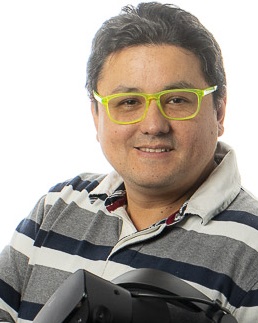
Marco Luna Barahona
Based in Montreal, Marco Luna is a filmmaker, cinema instructor, and researcher with a Master's degree in Fine Arts from Concordia University. As a Part-time Faculty at the Mel Hoppenheim School of Cinema, he teaches courses on montage, filmmaking, and interactive documentary VR cinema. Marco also contributes to conferences, exploring themes like immersive technology and social documentary filmmaking. Currently, he serves as a Technologist at Milieux, Immersive Reality Lab, showcasing his commitment to blending traditional filmmaking with cutting-edge technologies in his diverse filmography.
See more
Stefanie Duguay
Stefanie Duguay is the director of the Digital Intimacy, Gender and Sexuality (DIGS) Lab and Director of the Media and Materiality Research Cluster at Milieux. She is a Concordia University Research Chair (New Scholar) and Associate Professor in Communication Studies. Her research focuses on the influence of digital media technologies in everyday life, with particular attention to sexual and gender identity and social media. This has included studies of lesbian, gay, bisexual, trans and queer (LGBTQ) people’s social media use, dating apps, self-presentation, and everyday activism with the use of mixed traditional and digital research methods. Her research and teaching demonstrate a commitment to fostering inclusive spaces for knowledge exchange and producing research that reveals power relations in sociotechnical systems. Stefanie Duguay Website Concordia Explore Page
See more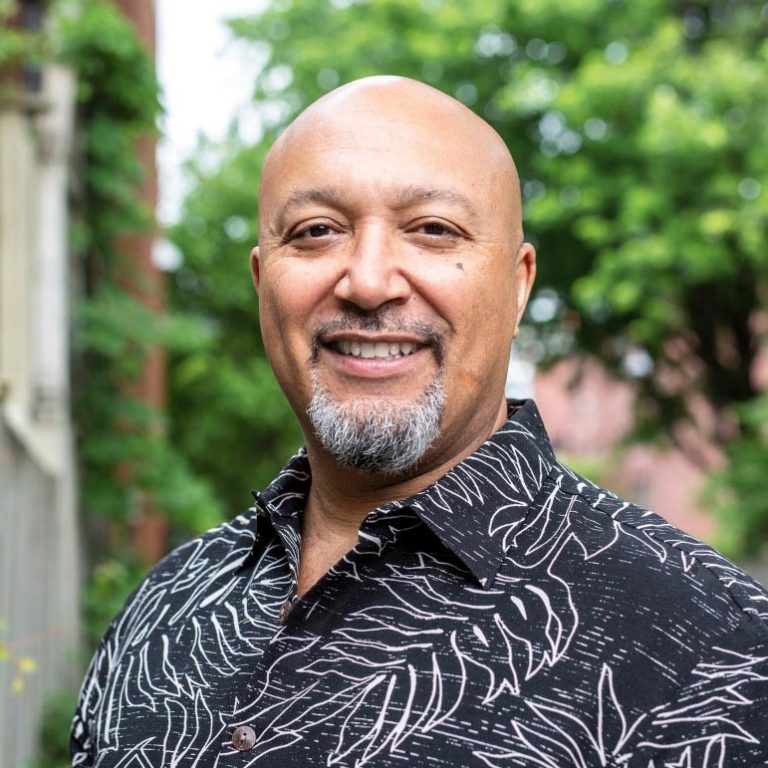
Jason Edward Lewis
Jason Edward Lewis is the co-director of the Indigenous Futures Research Centre. He is a full Professor of Design and Computation Arts, a digital media artist, poet and software designer. He founded Obx Laboratory for Experimental Media, where he directs research / creation projects using virtual environments to assist Aboriginal communities in preserving, interpreting and communicating cultural histories, devising new means of creating and reading digital texts, developing systems for creative use of mobile technology. He was the director of the Initiative for Indigenous Futures, a seven-year SSHRC-funded Partnership focused on how Indigenous communities imaging themselves seven generations hence. Lewis co-founded and co-directs the Aboriginal Territories in Cyberspace research network that investigates how Aboriginal people can participate in the shaping of our digital media future, and he co-directs workshops combining traditional stories and game design at the Kahnawake First Nations' high school. He is deeply committed to developing intriguing new forms of expression by working on conceptual, creative and technical levels simultaneously. Lewis' creative work has been featured at the Ars Electronica Center, ISEA, SIGGRAPH, Urban Screens and Mobilefest, among other venues, his writing about new media has been presented at conferences, festivals and exhibitions on four continents and his work with Aboriginal Territories in Cyberspace has won multiple awards.
See more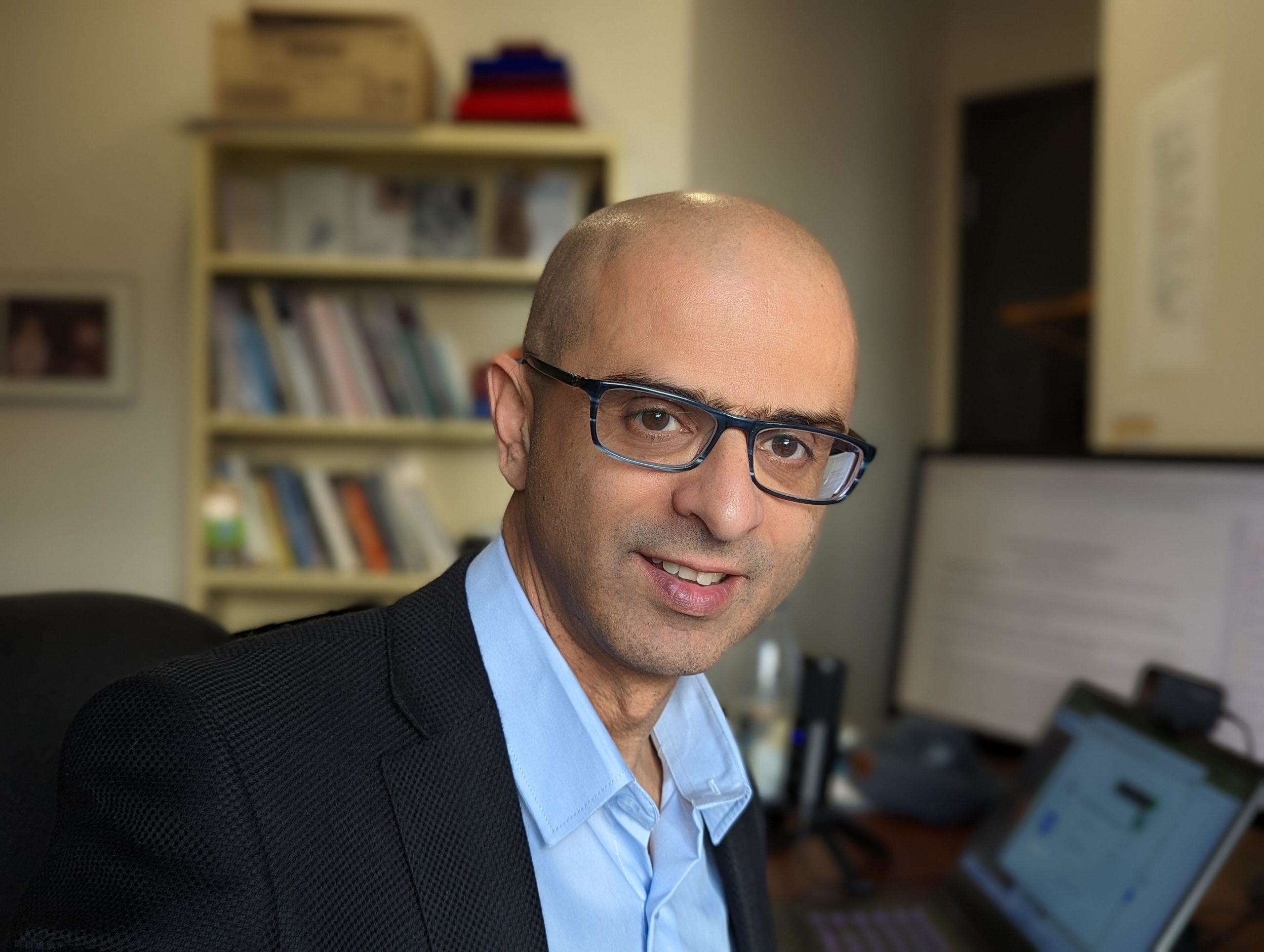
Eldad Tsabary
Dr. Eldad Tsabary, Associate Dean of Research and Graduate Studies in the Faculty of Fine Arts, leads the SSHRC-funded Reflective Iterative Scenario Enactments (RISE) project, which aims to explore cataclysmic scenarios through mini-operas, fostering interdisciplinary collaboration and critical public discourse. Alongside his work with RISE, Dr. Tsabary is actively engaged with an extensive international network of researchers and artists, particularly within South and Southeast Asia, supported by his eight-year chairmanship of the International Conference on Arts and Humanities. With a Doctorate in Music Education from Boston University, his scholarly pursuits in improvisation and electroacoustic performance have led to the founding of the Concordia Laptop Orchestra (CLOrk), which has performed at prestigious venues such as the Cambridge Festival 2022 and Musée d'art contemporain de Montréal, among others. Among other leadership roles, Dr. Tsabary has previously served as Chair of the Music Department, as co-founder/director of the Performing Arts Research Cluster (Le PARC) at the Milieux Institute, and as president of the Canadian Electroacoustic Community (CEC).
See more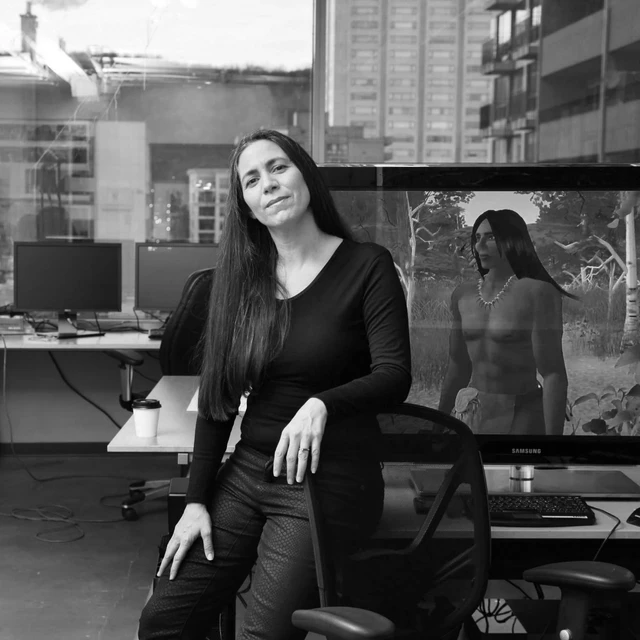
Skawennati
Skawennati makes art that addresses history, the future, and change from her perspective as an urban Kanien’kehá:ka (Mohawk) woman and as a cyberpunk avatar. Her early adoption of cyberspace as both a location and a medium for her practice has produced groundbreaking projects such as CyberPowWow and TimeTraveller™. She is best known for her machinimas—movies made in virtual environments—but also produces still images, textiles and sculpture. Her works have been presented in Europe, Oceania, China and across North America in exhibitions such as “Uchronia I What if?”, in the HyperPavilion at the 57th Venice Biennale; “Now? Now!” at the Biennale of the Americas; and “Looking Forward (L’Avenir)” at the Montreal Biennale. They are included in the collections of the National Gallery of Canada and the Musée d'art contemporain de Montréal, among others. She was honoured to receive the 2019 Salt Spring National Art Prize Jurors’ Choice Award, a 2020 Smithsonian Artist Research Fellowship and a Visiting Artist Fellowship at the Eccles Centre for American Studies at the British Library. She is represented by ELLEPHANT. Skawennati has been active in various communities. In the 80s she joined SAGE (Students Against Global Extermination) and the Quebec Native Women’s Association. In the 90s she co-founded Nation to Nation, a First Nations artist collective, while working in and with various Indigenous organizations and artist-run centres, including the Native Friendship Centre of Montreal and Oboro. In 2005, she co-founded Aboriginal Territories in Cyberspace (AbTeC), a research-creation network based at Concordia University whose projects include the Skins workshops on Aboriginal Storytelling and Digital Media as well as the Initiative for Indigenous Futures. Throughout most of the teens, she volunteered extensively for her children’s elementary school, where she also initiated an Indigenous Awareness programme. In 2019, she co-founded centre d’art daphne, Tiohtià:ke/Mooniyang/Montreal’s first Indigenous artist-run centre. Born in Kahnawà:ke Mohawk Territory, Skawennati belongs to the Turtle clan. She holds a BFA from Concordia University in Montreal, where she resides.
See more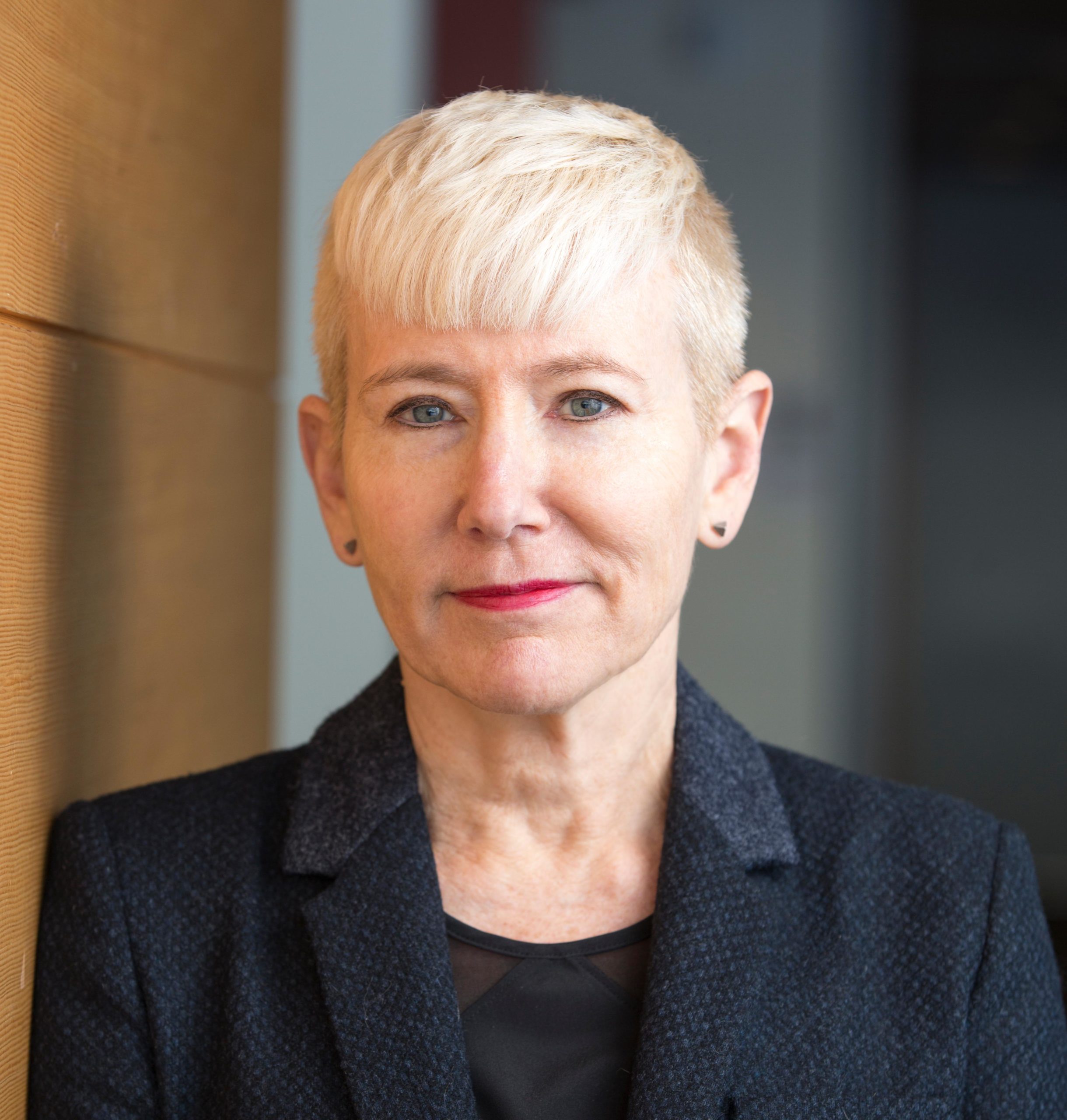
Lynn Hughes
Lynn Hughes is a digital media researcher, artist and teacher who holds the Chair of Interaction Design and Games innovation at Concordia University. She was instrumental in the founding and financing of the Hexagram Institute for Media Art and Technology which is the largest new media hub in Canada. In 2008 she co-founded the Technoculture, Art and Games (TAG) research group (now a formal Research Centre). Lynn’s production currently focuses on the design of full body, sensor based games. In 2012 she curated (with Heather Kelley and Cindy Poremba) a major, fully playable exhibition on game culture at the Gaîté lyrique in Paris. Joue le jeu / Play Along set out to position game culture as absolutely central to contemporary Culture -as the broad, diversified, exceedingly dynamic and evolving cultural field it is becoming. Concordia Explore Website
See more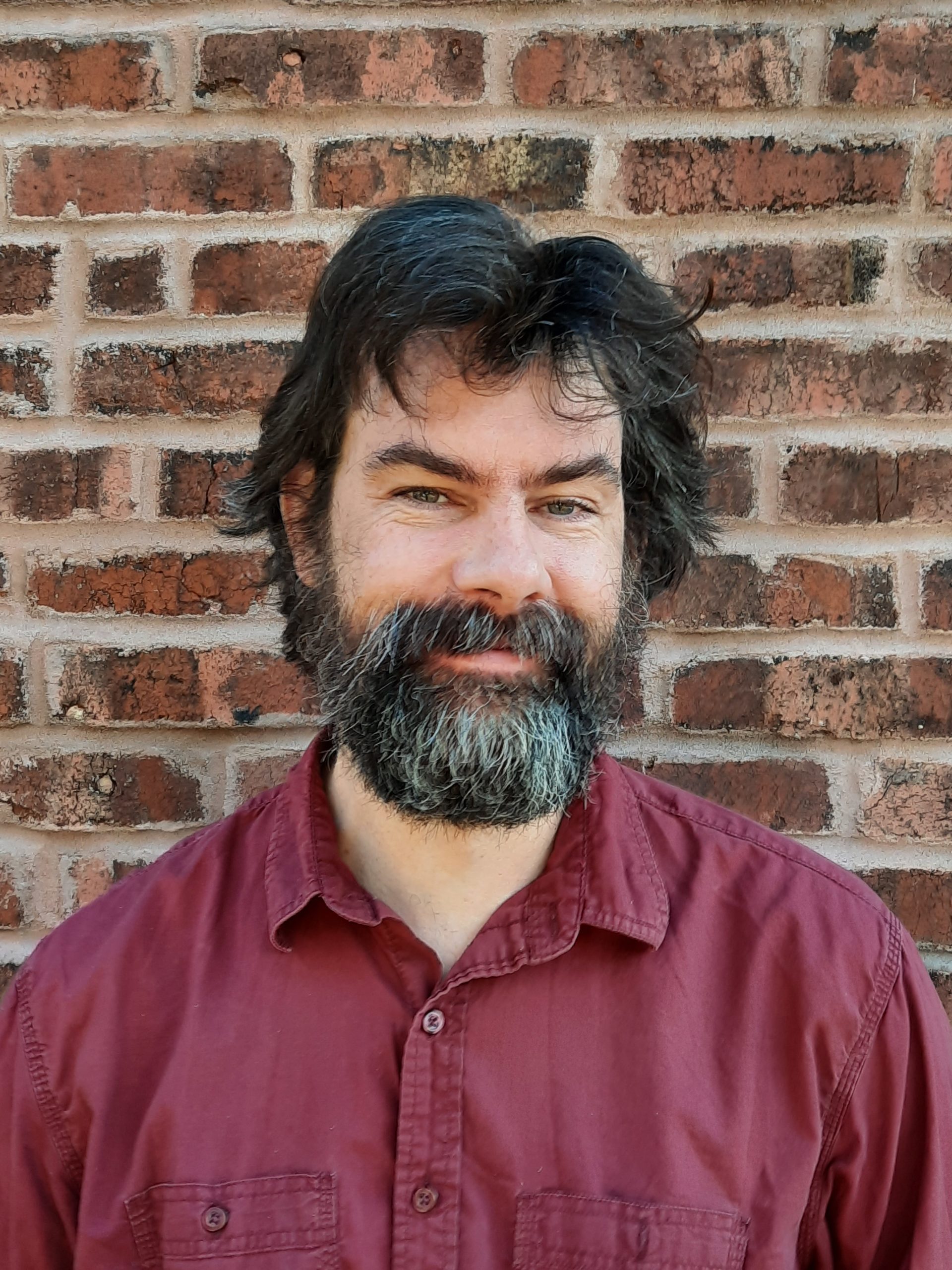
Kregg Hetherington
A political anthropologist, Kregg Hetherington is the Co-Director of Speculative Life Research Cluster at Milieux and Director of the Concordia Ethnography Lab. He's Associate Professor in Concordia’s Department of Sociology and Anthropology in the Faculty of Arts and Science. His research is specialized in environment, infrastructure and the bureaucratic state. Kregg's long-term ethnographic work in Paraguay chronicles how small farmers caught in a sweeping agrarian transition have experienced that country's halting transition to democracy, showing how activists create new ways of thinking and practising government. His recent book, The Government of Beans (Duke 2020) was awarded the Book Prize in Critical Anthropology from the Association of Political And Legal Anthropology, and the Julian Steward Award from the Environment and Anthropology Society. He supervises graduate students working ethnographically in a wide range of areas, including environment and infrastructure studies, Science and Technology Studies, Latin American agrarian politics, and the ethnography of bureaucracy. Concordia Explore Page
See more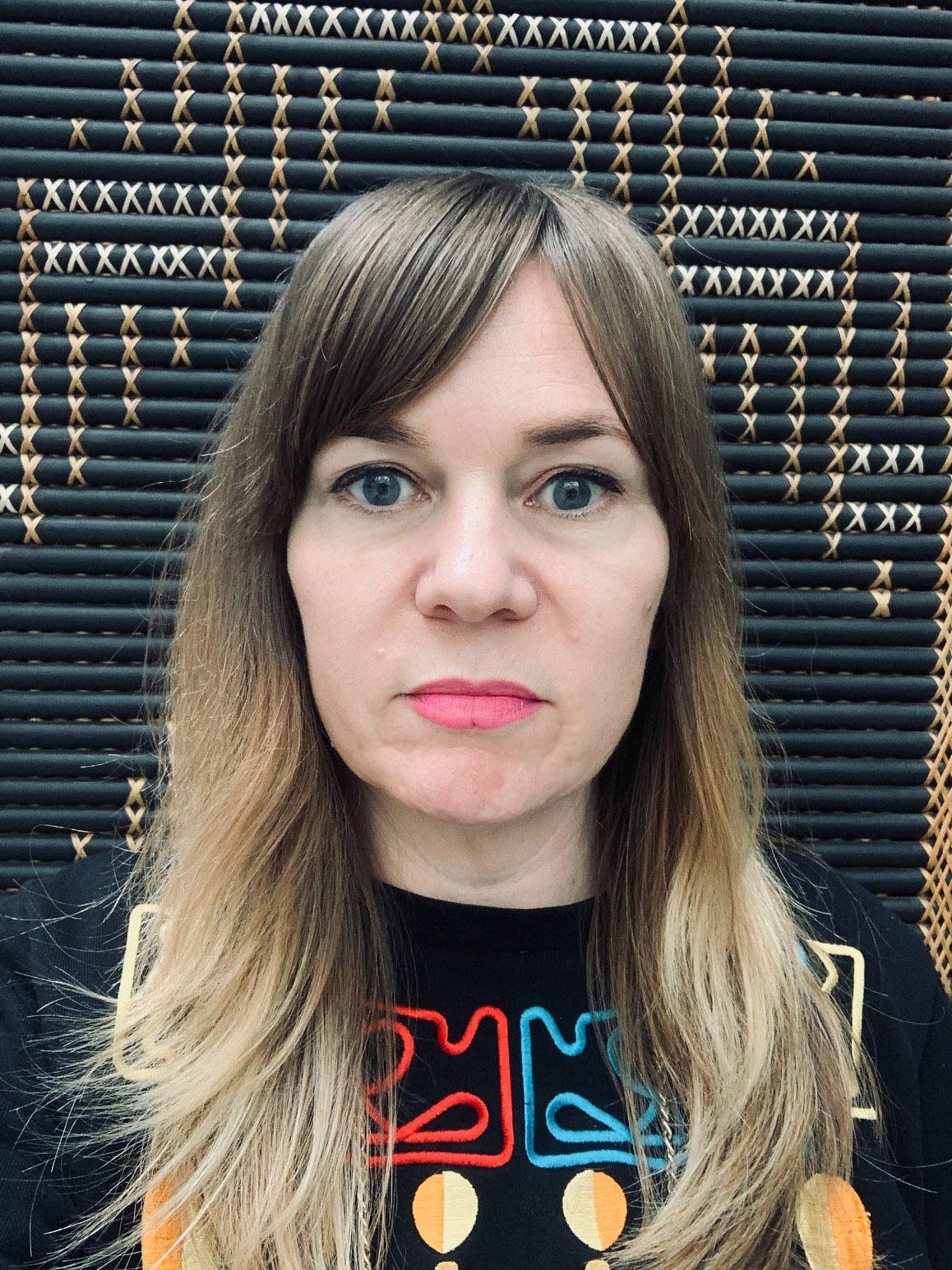
Miranda Smitheram
Design researcher, educator and artist, Dr. Miranda Smitheram is the Co-Director of the Textile and Materiality research cluster and Director of MaSH Lab at Milieux. Originally from Aotearoa/New Zealand, Miranda is currently Assistant Professor of Material Futures in the Department of Design and Computation Arts at Concordia University. Her research practice is tactile, haptic and embodied, and incorporates ancestral and speculative methods to work with ecosystems, socio-cultural matter, and nonhuman collaborators. Through this she explores developing new remediated and hybrid materials, to contribute to sustainable, relational and Indigenous futures. Her current research explores decolonizing matter, and centres an ethics of care and relationality. Through unraveling ontologies and kinship of invasive plant species, Miranda frames possibilities of rematerializing these unwanted invaders through soft surface, biofabrication and textile applications to propose localized solutions through materiality. Miranda’s research moves between digital, virtual, and physical, with a particular interest in the ontologies and critical materiality that is revealed through the flux of these processes. Both her field research with flora and her digital research with materiality follow an ontological design approach. These mediated materials take shape as textile forms, structures and digital artworks that question the interaction and agency of human and more-than-human, place, and space in a post-anthropocentric context. Concordia Explore Page
See more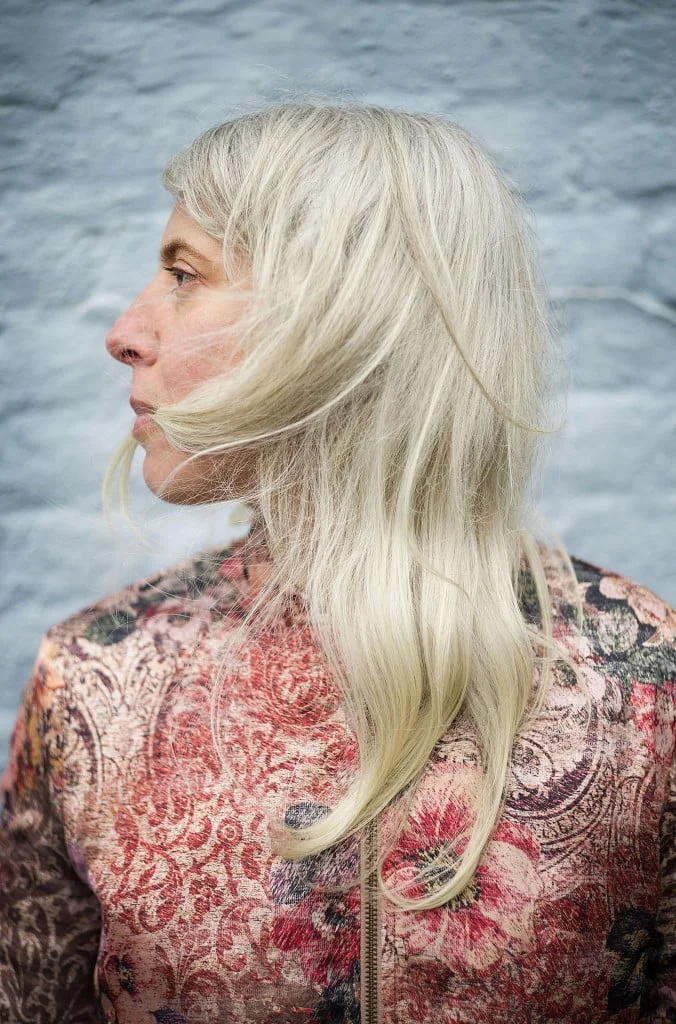
Lília Mestre
Lília Mestre (she, her) is a performing artist, dramaturge and researcher working in collaborative formats mainly in the fields of contemporary dance and choreography. Mestre works with scores, inter-subjective set-ups and other chance-induced processes as emancipatory artistic and pedagogical tools, which have been documented in various publications. She is interested in forms of organisation created by and for artistic practice as alternative study processes for social-political reflection. For the past 8 years, she has been working on the concept of ‘artificial friendship’ which has been the source for the creation of methodological structures (scores) for exchange and collaboration in artistic research settings. From the black box to the white cube, the classroom, the auditorium, to the public space, she has been developing performative strategies to engage in the questions of presence and situatedness, and what kind of singularities appear between the individual, the collective, the cultural and the environmental. Mestre was dedicated to the postgraduate program a.pass (Advanced Performance and Scenography Studies) in Brussels, as Artistic Coordinator (2017-2022), as Core member (2014-17) and as Associate Program Curator (since 2008 ). a.pass as an institution researches on transdisciplinarity, self-organization and collaboration as modes of practice that challenge notions of ownership and knowledge production in a neoliberal economy. Mestre was latest Artistic Coordinator and co-founder of Art Laboratory Bains Connective in Brussels (1997-2017). From 1994, Mestre has worked as a dancer, collaborator, dramaturge and/or researcher, namely with Vera Mantero, Les Ballets C. de la B. with Hans Van den Broeck and Christine de Smedt, Martin Nachbar, Kate Macintosh, Mette Edvardsen, Nikolaus Gansterer, Elke Van Campenhout, Kristien Van den Brande, Varinia Canto Vila, Heike Langsdorf – Radical_Hope, Daniel Kok and Miho Shimizu, David Helbich, Philippine Hoegen and Marcos Simões among others. She also founded and was a member (1999- 2004) of the company Random Scream (with Davis Freeman to expose the eclectic elements of everyday culture with proposed lines of flight for dance, theatre, and other media. Mestre’s own stage performances deconstruct western tropes while evoking other forms of relationality, ecologies and politics. They include: “Untitle me” (1999), “Missing Link” (2002), “Beyond Mary and Joseph” (2003), “Rendering”(2005), “(g)hosts” (2008), “Moving you” (2010) and “Ai! a choreographic project” co-authored with Marcos Simões (2015). She is currently Assistant Professor at the Department of Contemporary Dance, and co-director of LePARC cluster within the MILIEUX Institute for Arts Culture and Technology at Concordia University in Tiohtià:ke/Moonyang/Montreal. She was granted the The Petro-Canada Young Innovator Award 2023 for her research on expanded choreography Through Materialities, Movement and Description”. And for the research project Keep in touch! – critical embodiments for possible future(s) The latest received a three year grant 2025-2028 from Fonds de Recherche du Quebec and is supported by LePARC/ MILIEUX Concordia University; La Chappelle Scenes Contemporaines, Artenso, Espace Perrault – transmissions chorégraphiques, the project 3ecologies, Laboratoire des sensorialités multiples / Dance Cité, and ESMAE Instituto Politécnico do Porto, Escola Superior de Música e Artes do Espetáculo and i2ADS Instituto de Investigação em Arte, Design e Sociedade, University of Porto, Portugal.
See more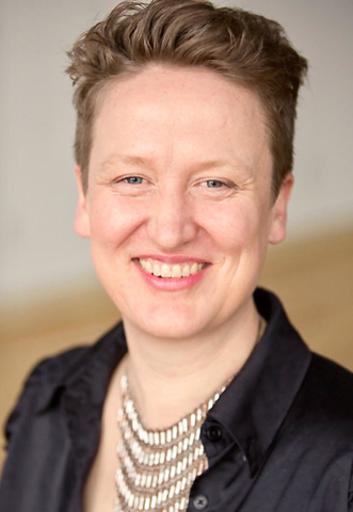
VK Preston
VK Preston is a cultural historian of performance traversing artistic and critical practices (movement, texts, images, cultural expression). Their research includes performing arts and archives, improvisation, and intersectional historiography. VK works alongside artists and scientists in dance studies, health, and research creation, investigating histories of the senses in experiential, often narrative approaches to embodiment and artistic practices. VK’s recent research addresses performance and early modern archives entangled with France, the Atlantic world, Turtle Island (North America), and long histories of French colonization in the Americas. This work is a practice of reckoning with performing arts archives and institutions; it reflects on practices of lived inheritance from movement techniques to material culture, economics, and world-building. They are currently working on their first book manuscript, and they are working on the concept of danceways as analogues to foodways and folkways. VK is currently interim director of the Honours undergraduate program in History at Concordia and Co-director, with Lilia Mestre and Meghan Moe Beitiks, of LePARC, the Performing Arts Research Cluster at Milieux Institute for Arts, Culture, and Technology.
See more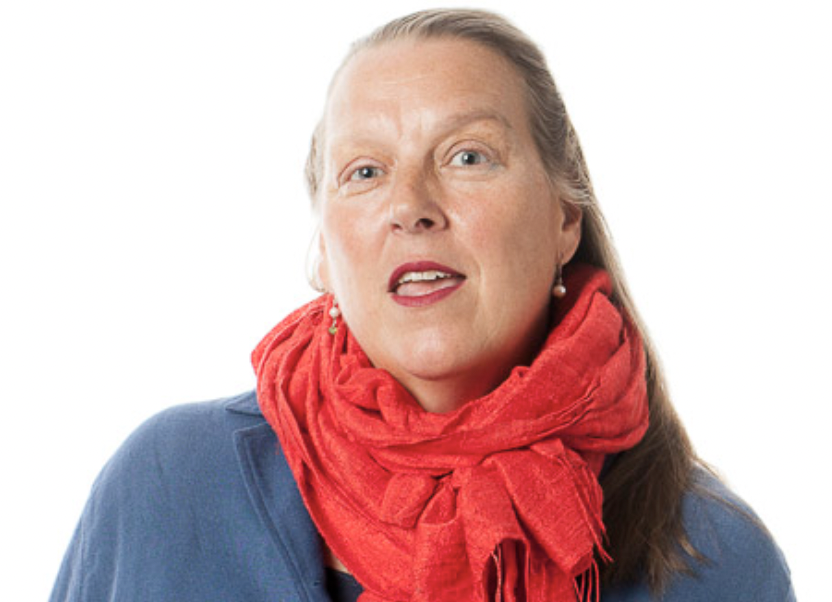
Kathleen Vaughan
Dr. Kathleen Vaughan is a professor in Art Education, Concordia University Research Chair in Art + Education for Sustainable and Just Futures (Tier 1) A visual artist, writer, scholar, and educator Dr. Vaughan’s work reflects a trans-disciplinary orientation to questions of place and belonging and the theme of ‘home’. She aims to balance her love for post-industrial sites, urban forests and green spaces with critical engagement, and often uses walking and mapping as method and form. Kathleen uses textile practices, painting, drawing, photography, installation, audio and video. Her work comprises multiple approaches, studio-based, collaborative/participatory and community-based. Active within her Montreal neighbourhood of Pointe-St-Charles, Kathleen has worked with seniors and children in social housing, schools and community agencies. She has also developed creative projects with children, adults and seniors in Toronto, Iceland, Latvia and the Netherlands, oriented to cultivating knowledge and awareness of ‘place’ and building community. Kathleen Vaughan Website
See more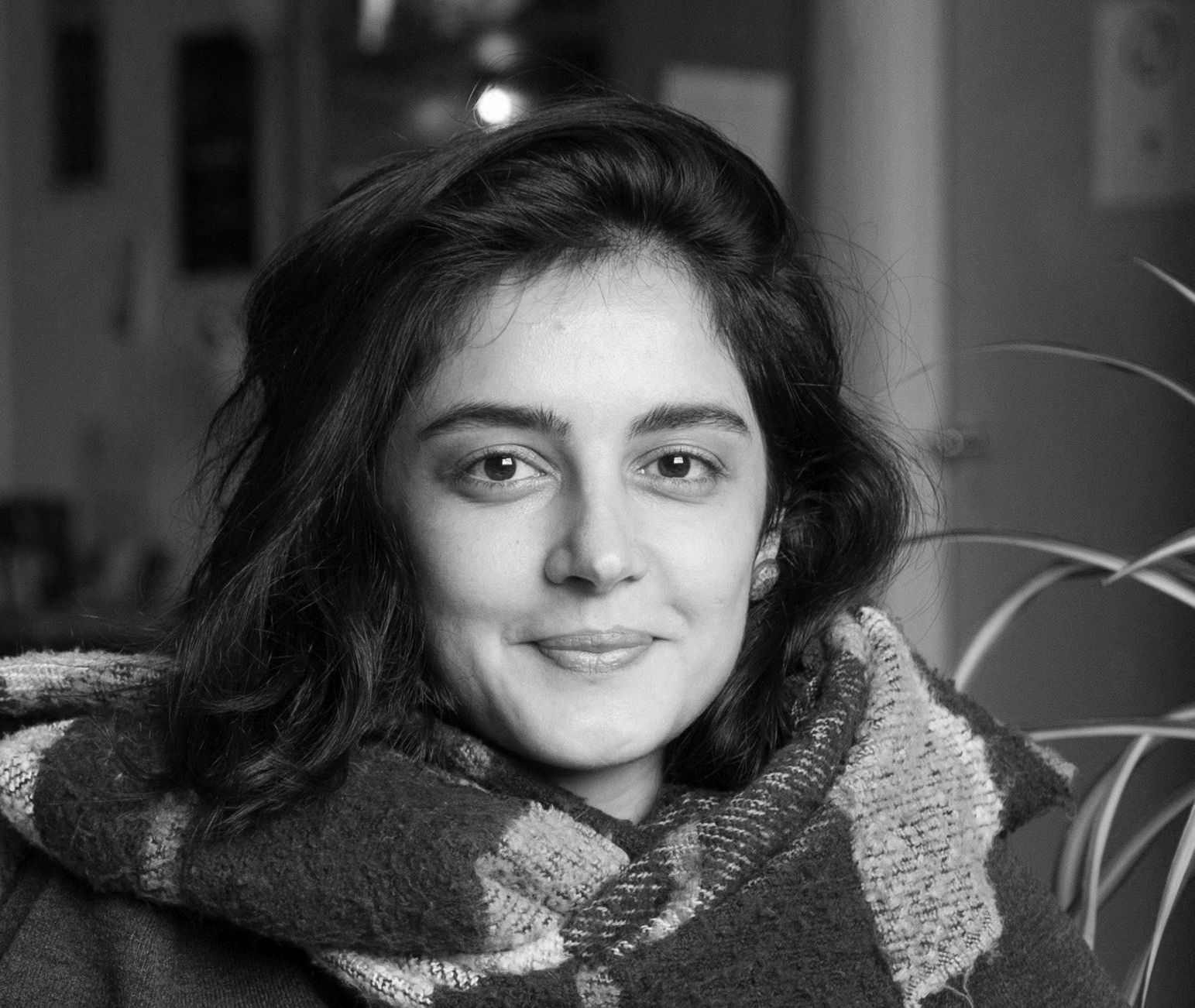
Sanaz Sohrabi
Sanaz Sohrabi (b.1988, Tehran) is a researcher of visual culture, artist-filmmaker, and an Assistant Professor in the department of Communication and Media Studies at Concordia University, Montréal. Sohrabi works with essay film and installation as her means of research to explore the shifting and migratory paths between still and moving images, situating a singular image in a continuum of historical relations and archival temporalities. Since 2017, Sohrabi has done extensive archival research at the British Petroleum archives to engage with the history of photography and film practices of the colonial British controlled oil operations in Iran, conducting a visual ethnography of resource extraction in relation to the media infrastructures of BP. Sohrabi’s ongoing project explores the contested historical role that visual representations of oil have played in shaping postcolonial sovereignty and resource nationalism in Iran and the Global South more broadly. Her current project is conceived as a trilogy of essay films, the first episode of which “One Image, Two Acts,” has been internationally screened and exhibited since November 2020 and has been widely acclaimed. The second episode of this trilogy of films is titled “Scenes of Extraction” and was commissioned by VOX Centre de l'image contemporaine in Montréal and premiered at Berlinale Forum Expanded in February 2023. “Scenes of Extraction” is currently touring festivals and museums. She is currently working on her first feature documentary and the final episode of this trilogy, which is centered around the postcolonial image politics of the Organization of the Petroleum Exporting Countries (OPEC) and its establishment in Baghdad in 1960 as the first oil alliance ever formed from the Global South to challenge the economic dominance of the seven major Western oil companies known as the “Seven Sisters.” Sohrabi’s works have been shown widely in exhibitions and festivals. Including: Berlinale Forum Expanded, International Film Festival Rotterdam (IFFR), IndieLisboa (Silvestre Section Best Short Film), Valdivia International Film Festival Chile (Special Jury Mention), Iran Cinéma Vérité Festival (Winner of International Mid-length), Mimesis Documentary Film Festival (Best Documentary Short), Ann Arbor Film Festival (Jury Award), DocLisboa, Open City Documentary Film Festival, Montréal International Documentary Film Festival (RIDM), Sheffield Doc/Fest, Kasseler Dokfest, Videonale, VideoEX Zurich, FIDBA Argentina, European Media Arts Festival, Images Festival, and Beirut Art Center, among others. Sohrabi’s recent exhibitions include Ljubljana Biennial 2023, SAVVY Contemporary, Berlin, VOX Centre de l'image contemporaine, Montréal, Centre Clark, Montréal, and Carpintarias de São Lázaro, Lisbon. Sohrabi has been supported by fellowships and artist residency awards such as Skowhegan School of Painting and Sculpture and RAW Académie. Sohrabi received her BFA from University of Tehran College of Fine Arts and an MFA from the School of the Art Institute of Chicago with a merit scholarship. She holds a PhD from the Center for Interdisciplinary Studies in Society and Culture at Concordia University, supported by the Fonds de Recherche du Québec Société et Culture at Concordia University, Montréal. Sohrabi is also a member of the research group “Oil Cultures from the Middle East and Latin America (OCMELA),” with whom she has published a conversation with Murtaza Vali, titled “Petromobilities in the Global South,” released by Museumsforlaget in Norway in March 2022.
See more
Mia Consalvo
Mia Consalvo is Professor and Canada Research Chair in Game Studies and Design at Concordia University. She is the co-author of Real Games: What’s Legitimate and What’s Not in Contemporary Videogames (2019) and Players and their Pets: Gaming Communities from Beta to Sunset (2015). She is also co-editor of Sports Videogames (2013) and the Handbook of Internet Studies (2011), and is the author of Cheating: Gaining Advantage in Videogames (2007) as well as Atari to Zelda: Japan’s Videogames in Global Context (2016). Mia runs the mLab, a space dedicated to developing innovative methods for studying games and game players. She’s a member of the Centre for Technoculture, Art & Games (TAG), she has presented her work at industry as well as academic conferences including regular presentations at the Game Developers Conference. She is the Past President of the Digital Games Research Association, and has held positions at MIT, Ohio University, Chubu University in Japan and the University of Wisconsin-Milwaukee.
See more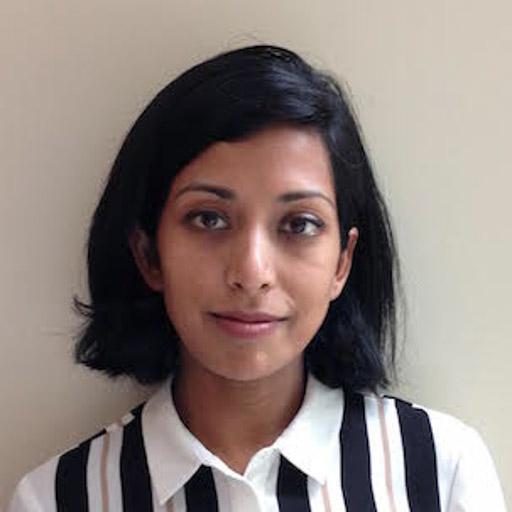
Rilla Khaled
Dr. Rilla Khaled is an Associate Professor in the Department of Design and Computation Arts at Concordia University in Montréal, Canada, where she teaches interaction design, design theory, programming, and more. She is the director of the Technoculture, Art and Games (TAG) Research Centre, Canada’s most well-established games research lab, in the Milieux Institute for Arts, Culture, and Technology. Dr. Khaled’s research is focused on the use of interactive technologies to improve the human condition, a career-long passion that has led to diverse outcomes, including designing award-winning serious games, developing a framework for game design specifically aimed at reflective outcomes, creating speculative prototypes of near-future technologies, working with Indigenous communities to use contemporary technologies to imagine new, inclusive futures, and establishing foundations for materials-based game design research.
See more
Angelique Willkie
A multidisciplinary artist, Angélique Willkie began her dance training after completing a Master’s degree in Economics at McGill University. A graduate of The School of Toronto Dance Theatre, she subsequently pursued a career in Europe where, over 25 years, she performed with dance companies and independent projects throughout Europe, most notably Alain Platel/Les Ballets C. de la B., Jan Lauwers/Needcompany, Sidi LarbiCherkaoui, Helena Waldmann and as a singer with the Belgian world-music group Zap Mama, bands Arno, dEUS, 7Dub, DAAU, Ez3kiel, and Zita Swoon Group, with jazz vocalist David Linx and contemporary composers Walter Hus, Kaat De Windt and Fabrizio Cassol. Performer, singer, dramaturge and pedagogue, Angélique has been among the more sought-after contemporary technique teachers on the European professional circuit, teaching companies, schools and festivals including ImpulsTanz (Vienna), Henny Jurriens Stichting(Amsterdam), SEAD (Salzburg), Wim Vandekeybus/Ultima Vez (Brussels),Circuit-Est centre chorégraphique (Montreal) among others. Since resettling in Montreal in 2014, Angélique has continued to be active in Montreal’s professional community as teacher, creator and dramaturge. Her current research interests have three main axes: approaches to interdisciplinary artistic creation (i.e. that sits“between” disciplinary boundaries); European circus aesthetics and dramaturgy; and the notion of a personal dramaturgy, inspired by the trajectories of performer Josephine Baker and French transgender circus artist Phia Ménard. An underlying interest in her work remains the use of the voice as a creative tool and performance instrument.
See more
Meghan Moe Beitiks
Meghan Moe Beitiks (she/they) is an artist and designer working with associations and disassociations of culture/nature/structure. They analyze perceptions of ecology though the lenses of site, history, emotions, and her own body in order to produce work that analyzes relationships with the non-human. They were a Fulbright Student Fellow, a recipient of the Claire Rosen and Samuel Edes Foundation Prize for Emerging Artists, a MacDowell Colony fellow, and an Artist-in-Residence at the Bemis Center for Contemporary Arts. Their work has been funded by the Social Sciences and Humanities Council of Canada, among other resources. They received their BA in Theater Arts from the University of California at Santa Cruz, and their MFA in Performance Art from the School of the Art Institute of Chicago.
See more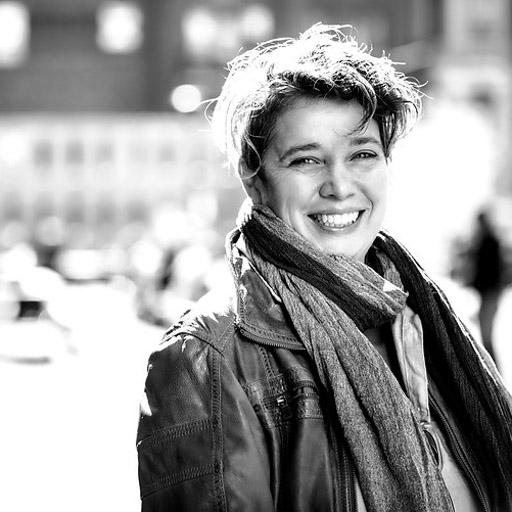
Shauna Janssen
Dr. Shauna Janssen is an interdisciplinary artist-researcher, curator, performance designer, and educator working and living in Tiohtià:ke/Mooniyang/Montréal, on the unceded Indigenous lands of the Kanien’kehá:ka Nation. Her teaching, research, and creative practice are consonant with performative, site-specific, intersectional, interdisciplinary, socially-engaged and collaborative approaches to performance creation. At Concordia she is Associate Dean of Academic Programs and Pedagogy in the Faculty of Fine Arts. She is also Associate Professor of Performance Creation in the Department of Theatre, Creative Director of PULSE, and Director of the Immersive Storytelling Studio housed at Milieux. She is also co-investigator researcher with Hexagram Network. Between 2018 and 2023 she was appointed a Concordia University Research Chair in Performative Urbanism, and from 2018-2020 she was the Director of Concordia's Institute for Urban Futures. Her transversal approach to teaching has been shaped by twenty years as an educator and organizer in the field of theatre and twenty years experience working professionally, in the performing and live arts; devising, staging, producing and touring, nationally and internationally new contemporary Canadian works created for theatre, opera, and dance. In Canada, she has worked with companies such as Volcano Theatre, Theatre Columbus, the Tarragon and Factory Theatres, Queen of Puddings, Buddies in Bad Times Theatre, among others, as well as toured with theatre projects to the Belfry Theatre, Citadel Theatre, the Manitoba Theatre Centre, and the National Arts Centre. Current research-creation activities are focused on the dramaturgy and creation of new media performance, and site-responsive mixed reality scenographies that critically engage 3D visualization technologies in queer and feminist productions of space. Her ongoing research and creation activities are focused on performative and curatorial engagements with the spatial politics of urban change, and often takes the form of site-specific urban interventions, feminist, collaborative art and community-engaged projects. .
See more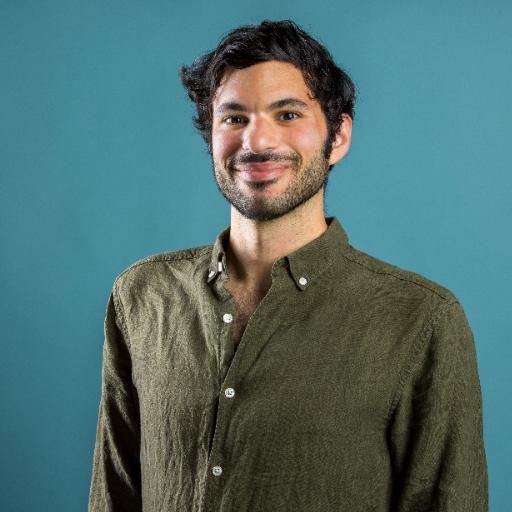
Jonathan Wald
Jonathan Wald is an interdisciplinary scholar with a background in Science and Technology Studies (STS), anthropology, and philosophy. His research examines how the climate crisis is challenging traditional approaches to science, politics, and ethics. He has worked with the Secretary of the Environment and Sustainable Development for the Brazilian state of Minas Gerais, where he supported disaster management and international collaborations. He has also taught in the Department of Science and Technology Studies at the Rensselaer Polytechnic Institute and the Department of Anthropology and the Institute for the Study of International Development at McGill University.
See more
Nadia Myre
Nadia Myre is a nationally renowned interdisciplinary artist and Algonquin member of the Kitigan Zibi Anishnabeg First Nation. As exemplified by seminal works Indian Act (2002), and The Scar Project (2005-2013), her work explores the politics of belonging by positioning it within a framework of Indigenous resistance and resilience. Myre has an extensive exhibition history, with over 115 shows—25 of which have been solos—just in the last 10 years. Her work can be found in the Canadian Embassies of New York, London, Paris and Greece. Most recent exhibitions include Volume 0 (Zuecca Project, Venice), Balancing Acts (Textile Museum, Toronto, 2019), Show Me Your Wound (Dom Wein, Vienna, 2018/19), Code Switching and Other Work (The Briggait, Glasgow International, 2018), Tout ce qui reste/Scattered Remains (Montreal Museum of Fine Arts, 2017/18). Myre is the recipient of many commissions and awards, notably the Prix Paul-Émile-Borduas (2025), the 2014 Sobey Art Award for Canadian artists under 40, and in 2019 was inducted into the Order of Arts and Letters of Quebec. Myre works across the disciplines of sculpture, fibres and material practice, photography, video, and performance, and teaches in undergraduate ArtX cluster, and MFA Studio Classes in the department of Studio Arts.
See more
Andrei Zanescu
Andrei is an FRSQC-funded outgoing Doctor of Communication based in the Communications Department at Concordia University, in Montreal, Canada. His research focuses on resonance in blockbuster games and its uses for (re)producing real-world cultures, as well as the political economy of game distribution, and its monetization/gamblification.
See more
Erin Manning
Erin Manning studies in the interstices of philosophy, aesthetics and politics, concerned, always, about alter-pedagogical and alter-economic practices. Pedagogical experiments are central to her work, some of which occur at Concordia University in Montreal where she is a research chair in Speculative Pragmatism, Art and Pedagogy in the Faculty of Fine Arts. Recent monographs include The Minor Gesture (Duke 2016), For a Pragmatics of the Useless (2020) and Out of the Clear (forthcoming, minor compositions). Her artwork is textile-based and relationally-oriented, often participatory. She is interested in the detail of material complexity, in what reveals itself to perception sideways, in the quality of a textural engagement with life. Her work often plays synesthetically with touch, of recent in acknowledgement and experimentation with the ProTactile movement for DeafBlind culture and language. Tactile propositions include large-scale hangings produced with a diversity of tools including tufting, hooking, knotting, weaving. 3e is the main direction her current research takes - an exploration of the transversality of the three ecologies, the social, the environmental and the conceptual (3ecologies.org). An iteration of 3e is a land-based project north of Montreal where living and learning is experimented. Legacies of SenseLab infuse the project, particularly the question of how collectivity is crafted in a more-than human encounter with worlds in the making.
See more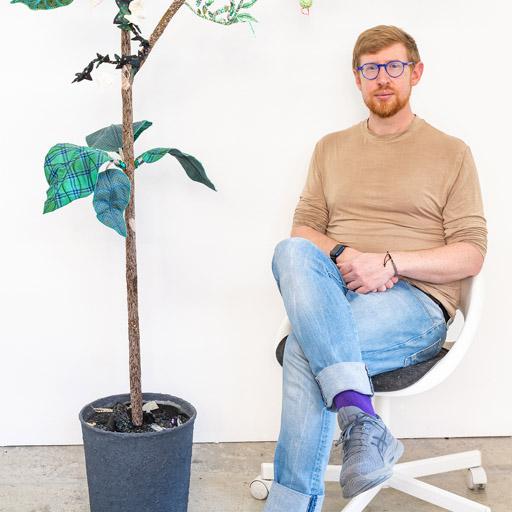
Aaron McIntosh
Aaron McIntosh is a cross-disciplinary artist and fourth-generation quiltmaker whose work mines the intersections of material culture, family tradition, sexual desire and identity politics. His exhibition record includes numerous solo and group exhibitions, most recently The Gloaming at Pierre-François Ouellette art contemporain, Entanglements at Northeastern University, and Radical Tradition: Quilts and Social Change at the Toledo Museum of Art. Since 2015, McIntosh has managed Invasive Queer Kudzu, a community storytelling and archive project across the 2SLGBTQ+ Southern United States. He is a 2020 United States Artist Fellow in Craft, and other honors include a 2017 Virginia Museum of Fine Arts Fellowship, and two Windgate Fellowships in 2006 and 2015 from the Center for Craft. His current research-creation project, Hot House / Maison chaude, has been supported by a 2020-2023 SSHRC Insight Development grant. He has held residencies at the Oak Spring Garden Foundation, Banff Centre, Haystack Mountain School of Crafts and the Virginia Center for Creative Arts. His critical writing has been published in the Brooklyn Rail, Hyperallergic, the Surface Design Journal, and the Journal of Modern Craft. He currently lives and works in Montréal, where he is an Associate Professor and Coordinator in the Fibres & Material Practices program at Concordia University.
See more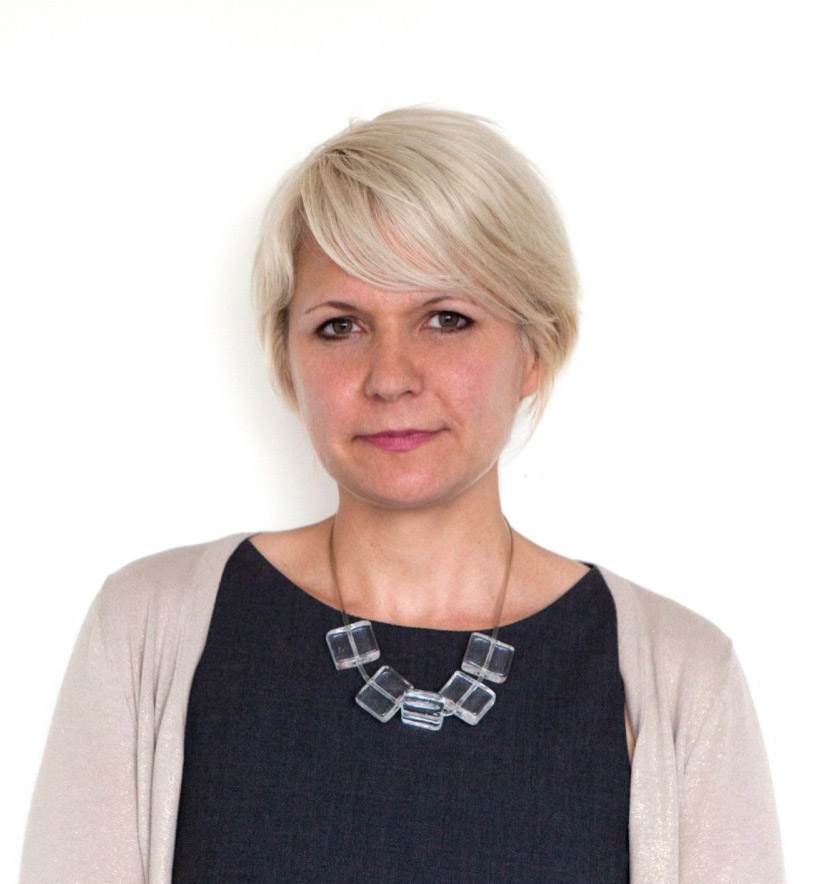
Haidee Wasson
Haidee Wasson (PhD) is currently the Associate Dean of Faculty Development and Inclusion in the Faculty of Fine Arts. She brings a wealth of experience to this role, having previously served as Associate Dean, Research (Faculty of Fine Arts), Area Head and Graduate Program Director (Mel Hoppenheim School of Cinema, Concordia), and member of Faculty Council (Fine Arts), University Senate, and the Board of Governors, among other administrative and leadership roles. Dr. Wasson was recently named a Distinguished Research Professor (2023) in recognition of her multiple international awards, and her ground-breaking and influential scholarship. She has published 5 books, with an additional one in production, and dozens of articles, lecturing internationally on film and media history. She is currently working on a 5-year SSHRC funded project examining the important role of small format film technologies in seeding cultures of creativity across cultural and industrial sectors.
See more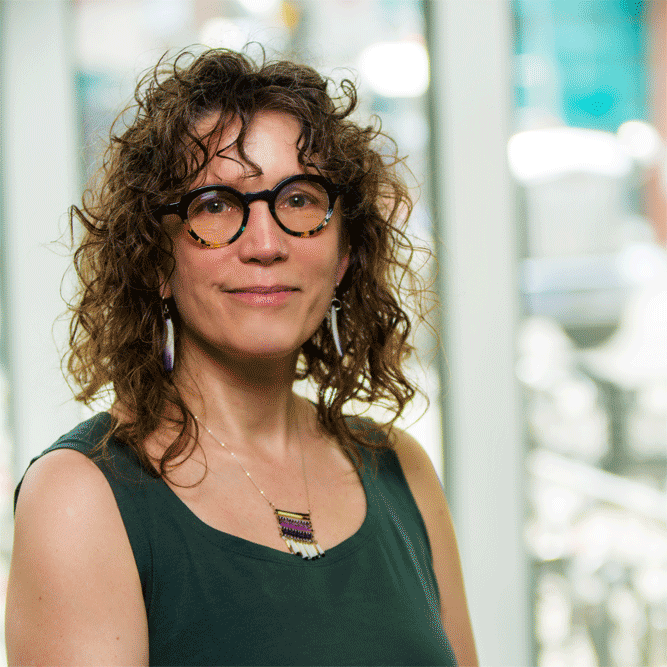
Hannah Claus
Hannah Claus is interim Co-Director of the Indigenous Futures Research Centre at Milieux, and Assistant Professor in the Department of Studio Arts. A transdisciplinary artist and researcher of Kanien’kehá:ka / English heritage, her practice-based research engages with the idea of space shaped by language, material culture and place as transversal living concepts. She employs Onkwehonwenéha [Indigenous methodology] to critique dominant colonial narratives and give voice to Indigenous histories, teachings and cosmologies. Claus is a member of the Board of Directors of the Conseil des arts de Montréal and a co-founder of daphne, a new Indigenous contemporary arts centre based in Tiohtià:ke [Montreal]. Hannah Claus Website Concordia Explore Website
See more
Martin French
Martin French is an Associate Professor with the Department of Sociology & Anthropology at Concordia University. Martin’s research examines the social dimensions of technology with an empirical focus on communications & information technology (CIT). It emphasizes the broader social and political contexts of CIT, focusing especially on risk, surveillance, privacy, and social justice. Recently, Martin has been studying the ‘gamblification’ of digital media. This involves an investigation of the incorporation of gambling-like retention mechanics into digital experiences. Think of how free-to-play games resemble slot machine play, or how the infinite scroll experience on different social media platforms is designed to increase users’ time-on-device. The gamblification of digital media raises a host of ethical and regulatory questions; and the gamblification of digital games poses challenges for game makers, players and researchers alike.
See more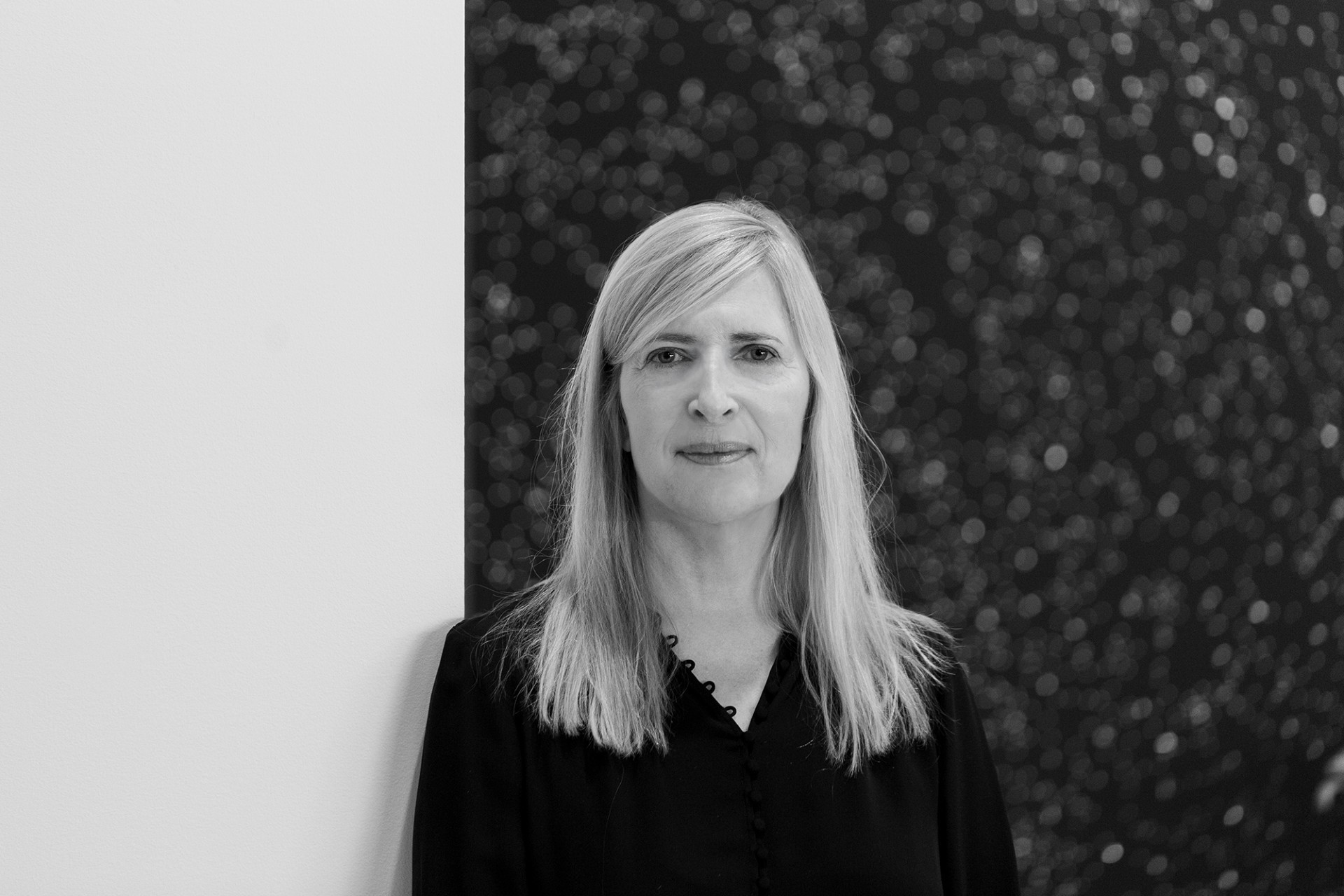
Geneviève Cadieux
An influential figure in Canadian art, Geneviève Cadieux uses theatrical and cinematic tropes in combination with advertising strategies to construct poignant photographic works and large-scale installations that test the limits of the medium while addressing the themes of the human body and the landscape in their mutual implication. The focus of numerous solo exhibitions across Canada, the US, Europe and Japan, Cadieux has also represented Canada at the Venice Biennale and participated in prestigious events, such as the 59th Minute: Video Art in Times Square, the Sao Paolo Biennale, the Sidney Biennale. Solo shows include, the Institute of Contemporay Art, London, the Nouveau-Musée de Villeurbane, the MUKA, Anvers, the Bonner Kunstverein, Bonn, the Musée d'art contemporain de Montréal, the Sagacho Exhibit Space, Tokyo, the Musée Départmental de Rochechouart, the Tate Gallery, London, the Miami Art Museum , the Cleveland Center for Contemporary Arts, the Morris and Helen Belkin Art Gallery,Vancouver, the Musée des beaux-arts de Montréal and the Americas Society, New York. Since 2003, Geneviève Cadieux has been producing large-scale photographic public artwork in urban spaces redefining the photographic object, introducing innovative technical expertise. The transcription of the photographic image outdoors and its sustainable quality is accomplished through the use of materials that induce a new materiality and reality to the work, which through this transformation looses its image status and becomes inscribed within a sculptural and public dimension. Her work is included in museum collections in Canada, Europe and Asia. In 2011, Geneviève Cadieux received a Governor general award's in visual and media arts for the excellence of her artistic accomplishments.
See more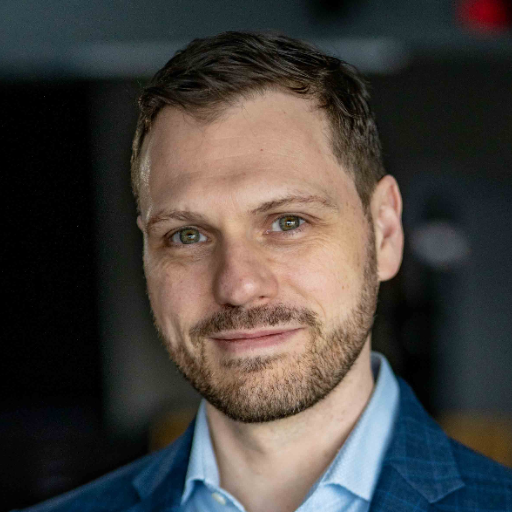
Noah Drew
Noah Drew is an "all-terrain theatre artist" originally from Vancouver. He has worked across North America, and in Europe and South America, as an actor, composer, sound designer, writer/director/dramaturge and teacher. He is a Certified Teacher of Fitzmaurice Voicework® and has taught dozens of workshops around the world in this radical approach to voice training. Noah has taught several times in the Fitzmaurice Voicework Teacher Certification programs in New York and Los Angeles, and is the former Director of Conferences for the Fitzmaurice Institute. He is a co-artistic director of the theatre and new media company Jump Current Performance and is a founding member of the research cluster LePARC MILEUX. Drew's sound designs and music for theatre and dance have been performed on four continents, and have been honoured with six Jessie Awards (19 nominations total) and a Siminovitch Prize nomination. Drew's projects have included work with the National Arts Centre of Canada (Ottawa), NeWorld Theatre (Vancouver), The Arts Club (Vancouver), Bard on the Beach (Vancouver), The Belfry Theatre (Victoria), Horseshoes & Hand Grenades Theatre (Ottawa), Little Swan Pictures (Philadelphia/Portland), Theatre Tribe (Los Angeles), and White Pines Productions (Philadelphia), as well as many others. Prior to joining Concordia in 2012, Noah taught at Vancouver Film School, Temple University, Douglas College and various private schools/studios in Canada and the U.S. Noah's research and research-creation focuses on exploring strategies for catalyzing and cultivating heightened states of presence in performers and audiences. Noah's work draws on aspects of sensory immersion and sensory dramaturgy; (auto)ethnography and a dynamic interplay between true lived experiences and fiction; gamified theatre, and somatic practices. Another of Drew's major research interests is how performers and professionals can learn to increase their stress resilience at a nervous system level. Drew's work explores strategies for transforming nervousness and other challenges into vibrant, committed, powerful communication. Current/recent major projects include: The Riot Ballet (Montreal/Seattle), an international, intercultural, immersive, interactive game-theatre event exploring themes of protest, environmentalism, authority and journalistic distortion ; Tiny Music (Chutzpah! Festival, Vancouver), a "sound design musical" Drew is wrote and composed; Salamandra (in-progress), a semi-fictional account of how co-creator (and acclaimed projections designer) Jamie Nesbitt inherited and then lost a 150-room castle in Zakopane, Poland; and Hear Me Looking at You (Galway/Toronto/Vancouver), a theatrical storytelling piece by notable ethnographer Dara Culhane, for which Drew acted as dramaturge and director.
See more
Elaine Cheasley Paterson
Dr Elaine Cheasley Paterson is Professor of Craft Studies in the Department of Art History. She holds a PhD from Queen's University (Kingston, 2004), where she was a recipient of the Bader Fellowship in Art History. Her research concerns women's cultural philanthropy in early twentieth-century British, Irish and Canadian craft guilds of the home arts movement and for tracing a lineage from this historical material to current resurgences in Do-it-yourself, maker culture and craftivist practices. A new line of her research focusses on education, settlement, social benevolence and imperial philanthropy (through the migration of people, craft practices and objects) in early twentieth-century Britain and Canada. Her writing and teaching are focused on the relationships between material culture and feminist theory, with an emphasis on craft history, critical heritage studies and the decorative arts. Another significant stream of her research, emerging from her teaching, is centred around questions of skill, hybridity, and pedagogy within a contemporary craft milieu. Some of her publications include Craft and Heritage: Intersections in Critical Studies and Practice (2021), a special issue on Identity, Craft, Marketing of the Journal of Canadian Art History (2018), and Sloppy Craft: Postdisciplinarity and the Crafts (2015) with Susan Surette. Recent essays of note: “Our Lady of the Snows : Settlement, empire and ‘the children of Canada’ in the needlework of Mary Seton Watts” in L. Binkley and J. Amos, eds. Stitching the Self (2020); “Gifted Design: Imperial Benevolence in the Needlework of Mary Seton Watts” in Design and Agency, eds J. Potvin and M. Marchand (2020); and “Tracing Craft — Labour, creativity, and sustainability in the Home Arts Movement” Journal of Canadian Art History (Fall 2019). She is a member of the Centre for the Study of Canadian Women Artists and the Quebec Quilt Registry Project at Concordia, a Research Fellow of the Institute for Studies in Canadian Art and a member of the Advisory Board of the Canadian Craft Biennial. She is the series editor, with Susan Surette, for Bloomsbury Academic’s Critical Craft Studies Series (launched in 2022).
See more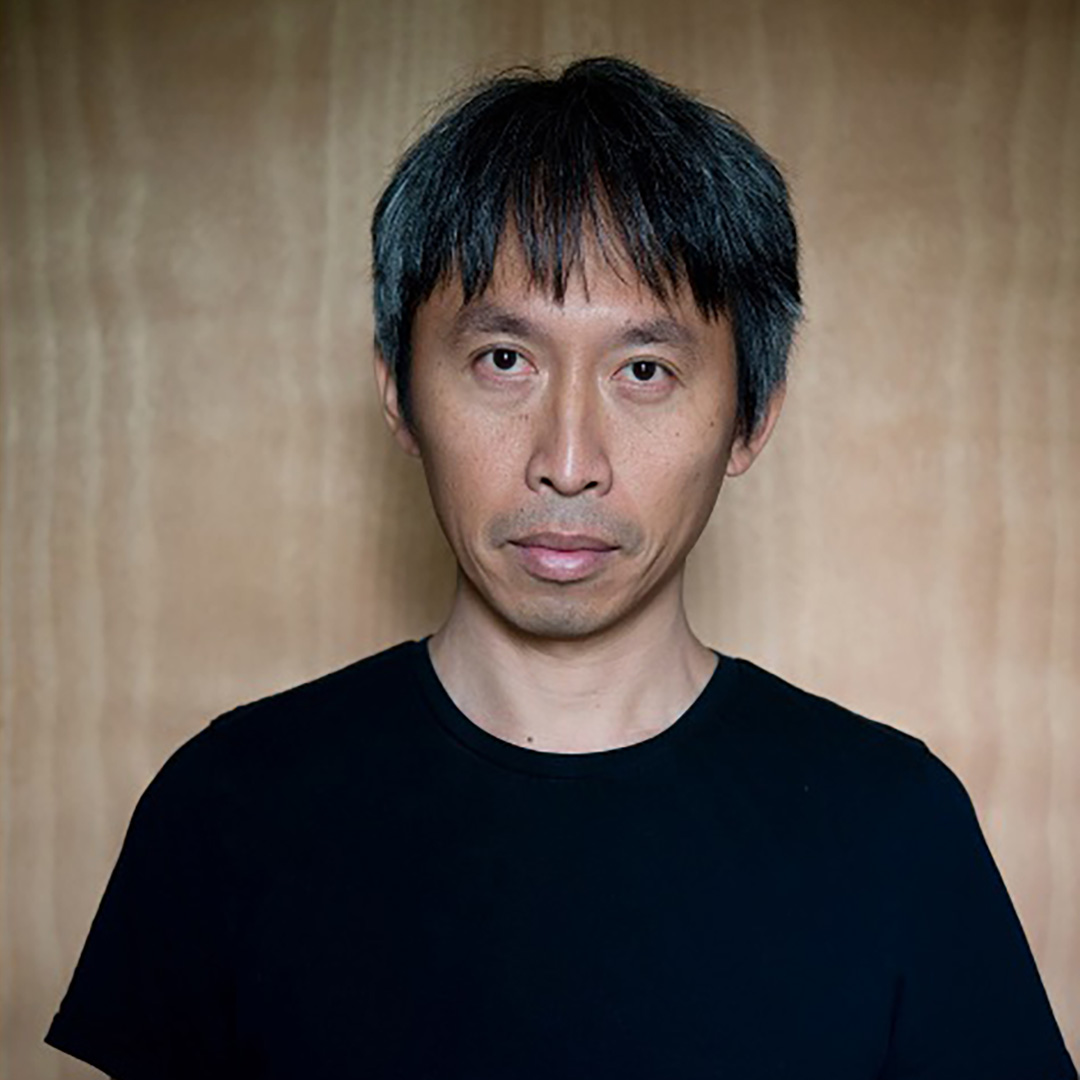
Chih-Chien Wang
Born in Taiwan, Chih-Chien Wang has been living in Montreal since 2002. He obtained a BFA in Theatre and Cinema in Taipei in 1994, and worked for television companies producing documentaries before moving to Canada. Wang obtained a MFA in Studio Arts at Concordia University in 2005. Wang's works, mainly in photography and video, frequently contain subtle traces which might refer to personal, cultural or social concerns while dealing primarily with his everyday experience. Wang's works have been seen in exhibitions held in Montreal, Lausanne, Milan, New York, Ping Yao, Beijing, Peterborough, Miami, Calgary and Toronto at galleries and museums including: Dazibao, Optica, Gallery 44, Gallery TPW, The New Gallery, Leonard and Bina Ellen Gallery, Dare-Dare, FOFA, Thérèse Dion Art Contemporain, Art Space, Galerie Les Territoires, Jack Shainman Gallery, Aperture, Musée de l'Elysée. Recent exhibitions include at the Musée d'art contemporain de Montréal (2008, 2010), the National Gallery (Ottawa, 2010), Pierre-François Ouellette Art Contemporain (Montreal, 2008, 2011, 2014, 2017, 2020, 2023), Expression (Saint-Hyacinthe, 2012, 2014) and Montreal Museum of Fine Arts (2012 - 2013), the Darling Foundry in Montreal (2015), the Art Gallery of Mississauga (2015), Künstlerhaus Bethanien in Berlin (2016), Plein sud (2019), Maison de la Culture Janine-Sutto (2022) and Arsenal Contemporary Art, New York (2023). Wang was awarded le Prix Louis-Comtois in 2020 and the Duke and Duchess of York Prize in Photography in 2017. Wang’s public art and architecture integration projects are installed at Montreal City Hall (2024), REM Panama Station (2024) and Verdun Hospital (2025). Wang’s work has been seen in collections including: Musée d'Art Contemporain de Montréal, Musée des Beaux-Arts de Montréal, Musée National des Beaux-Arts du Québec, National Gallery of Canada, Hydro Quebec, National Bank of Canada, Royal Bank of Canada, TD Bank, Caisse Desjardins, Caisse de dépôt et placement, Musée de l’Elysée Lausanne, Collection Prêts d'œuvre – MNBAQ, BMO Financial Group, City of Montreal and Canada Council Art Bank.
See more
Nicolas Renaud
Nicolas Renaud is a filmmaker, editor and video installation artist who’s been creating experimental works and documentaries for the past 20 years, including the Hot Docs award winner Brave New River (2013). He is also a professor in the First Peoples Studies program at Concordia University in Montreal. Nicolas is a member of the Huron-Wendat First Nation of Wendake.
See more
Antonia Hernández
Antonia Hernández is an artist, researcher, and educator. Combining theory with art-based practices, she creates research devices to explore the poetics of governance and elemental relations. She has presented her work and creation methodologies extensively in conferences, exhibitions and artist talks, and is preparing a book on maintenance activities for sexual webcam platforms. Her current project, Hydrofictions, investigates imaginaries around water, including financial and speculative ones.
See more
Vicky Sabourin
Vicky Sabourin lives and works in Montreal. She holds a Master’s in visual arts from Concordia University. As a multidisciplinary artist noted for her immersive and performative installations where death or other traumatic events are often at the genesis of the narrative of her work. Resilience manifests itself in the work providing a strong alchemical power that transcends personal and intergenerational trauma. Her work has been presented in art galleries, museums, and artist-run centres in Canada, the United States, and Europe. Recent solo exhibitions of her work include Sugar Cakes (AdMare, QC), Colts Raisin (Atelier B, QC) Becoming Invisible (Latitude 53, AB), Les Curiosités (Musée national des beaux-arts du Québec, QC) and Danse Macabre (L’Oeil de Poisson, Quebec, and Sporobole, Sherbrooke, QC). Her exhibition Warmblood has been exhibited across the country at Galerie Trois Points (Montreal, QC), Eastern Edge Gallery (St John’s, NL), Struts Gallery (Sackville, NB), Hamilton Artists Inc. (Hamilton, ON), and Access Gallery (Vancouver, BC). In 2017, Sabourin’s piece Lac caché (The Hidden Lake) was part of the event Manif d’art 8, Biennale d’art contemporain du Québec, presented at the Musée national des beaux-arts du Québec. In December 2014, she was named emerging artist of the year by the newspaper La Presse and was a finalist for the Pierre Ayot Award. She is a recipient of grants from the Conseil des arts et des lettres du Québec and the Canada Council for the Arts. Sabourin teaches at Concordia University in the Department of Studio Arts (Photography).
See more
Juliana Espana Keller
Juliana España Keller, PhD is a Canadian/Swiss/British sound and performance artist engaged in radical entanglements with modular synthesis in sound art through speculative research. Juliana is interested in fluctuating sites with sensing subjects and tactile experimentation within participatory practices. In her feminist new materialist practice, she uses simple electronic processes to observe different materialities of sound. She places electronic components which includes sensory stimuli in different situations of intra-action with the body. She experiments with organic materials, kitchen tools and appliances, and environmental stimuli. From these collisions, synthesized sounds emerge to create collaborative narrations or sonic recipes and observations that she observes as radical entanglements in the natural world.
See more
Elizabeth Miller
Elizabeth (Liz) Miller is a documentary maker and professor who uses collaboration and interactivity as a way to connect personal stories to larger timely social issues. Her films/educational campaigns on timely issues such waste (As the Gull Flies), rising sea levels (SwampScapes, The Shore Line) gender rights (En la Casa), refugee integration and rights (Mapping Memories), water privatization (The Water Front) & environmental justice (Hands On) have won international awards, been integrated into educational curricula and influenced decision makers. Years of experience in community media and a background in political economics, electronic media art, and Latin American studies fuel her ongoing explorations of new media as art, advocacy, and as a catalyst for critical pedagogies. Liz is a Full Professor in Communications Studies at Concordia University in Montreal where she teaches courses in food, media and culture, media production and research-creation. Miller has partnered with international organizations including Witness (USA) and UNESCO to offer workshops in water journalism, media production, digital storytelling, and media advocacy. Her co-authored book with Steven High and Ted Little, Going Public: The Art of Participatory Practice (2017) profiles the work of 29 socially engaged practitioners exploring the political, aesthetic and performative dimensions of their work. Miller is a member of the International Association of Women in Television and Radio (IAWRT).
See more
Jeremy Stolow
Jeremy Stolow is Professor of Communication Studies at Concordia University, where he teaches and conducts research on religion and media, the history of technology, occultism and science, and visual culture. In addition to his latest book, Picturing Aura (MIT Press 2025), he is the author of Orthodox By Design (U of California Press 2010) and Deus in Machine: Religion, Technology, and the Things in Between (Fordham u press, 2013).
See more
Monica Mulrennan
Monica Mulrennan is a Full Professor in the Department of Geography, Planning & Environment at Concordia University, and Special Advisor to the VPRII on Research Impact. She holds a BA(Hons) and PhD in Geography from University College Dublin, Ireland. She is a founding member of CICADA (the Centre for Indigenous Conservation and Development Alternatives) at McGill University, and an honorary member of the ICCA Consortium (Indigenous Peoples’ and Community Conserved Areas and Territories). Her research focuses on Indigenous knowledge, use and stewardship of Indigenous land-sea territories, Indigenous-led strategies of conservation and environmental protection, and local adaptations to environmental change. She has sustained research partnerships with Torres Strait Islanders, northern Queensland, and James Bay Crees (Eeyou Istchee), northern Quebec for more than twenty-five years. She has published numerous research papers and book chapters, in addition to contributing to the documentation of Indigenous land and sea claims and the establishment of Indigenous-led protected areas and conservation initiatives. Monica joined Concordia in 1994 and has served as Associate Dean, Graduate Student Affairs, in the School of Graduate Studies(2004-08), Chair of the Department of Geography, Planning and Environment(2014-17), and Associate Vice-President, Research (Development & Impact) (2019-2025). She received Concordia University’s Academic Leadership Award in 2017. Monica was the lead on Concordia's institutional "Pathways to Impact" initiative, and continues to contribute to that work as Concordia's delegate to the Pew-sponsored Presidents and Chancellor's Council on Public Impact Research and as Special Advisor to the VPRII on Research Impact.
See more
Theresa Arriola
Isa Arriola (Chamorro) was born and raised on the island of Saipan in the Northern Mariana Islands. Her life's work has centered on exploring the complexities of social life among the Indigenous Chamorro people, as well as the Refaluwasch community in the Marianas and Micronesia more broadly. Her early research interests were sparked by the concern over the staggeringly high rates of suicide throughout Micronesia. This early interest led her to explore the role of the Marianas in the context of United States imperialism and militarism globally. Isa's dissertation research focused on the complex intersections of militarism, indigeneity and the environment in the Northern Mariana Islands amidst the contemporary restructuring of United States forces in the Asia-Pacific region. Her work draws on the intersection of various fields including: Indigenous Studies, Pacific Island Studies, Anthropology and Political Ecology. As an educator, Isa's research is inextricably linked to her personal commitment to decolonization throughout Oceania.
See more
Michelle McGeough
Originally from Amiskwaciwâskahikan, Michelle McGeough is a Métis scholar, artist and Assistant Professor at Concordia University, she taught at the University of British Columbia. Dr. McGeough received her Ph.D. in Indigenous art histories from the University of New Mexico. Since her return to Canada, she has joined the board of Indigenous Curatorial Collective, an indigenous run and led non-for profit. Dr. McGeough serves on the board of the Tegan and Sara Foundation. An international organization that provides financial support through grants to organizations that fight for economic justice, health and representation for self-identified LGBTQ girls and women in both Canada and the USA. She is also a founding member of Shushkitew Collective, an organization of Métis artists and scholars who are working towards Métis equity in the arts.
See more
David Howes
David Howes is a Canadian anthropologist and legal scholar. He is a Full Professor in the Department of Sociology and Anthropology and Co-Director of the Centre for Sensory Studies at Concordia University, and an Adjunct Professor in the Faculty of Law at McGill University. Howes is best known as a pioneer of the anthropology of the senses and theorist of the interdisciplinary field of sensory studies. He has authored, co-authored or edited 15 books, ranging from The Varieties of Sensory Experience (1991) to Sensorium (2024). He has published numerous journal articles in such fields as medical anthropology, perceptual psychology, sensory museology, material culture, and cross-cultural aesthetics as well as Canadian legal history and constitutional studies, legal pluralism and cross-cultural jurisprudence. Howes has conducted field research on the social and cultural life of the senses in Papua New Guinea, Northwestern Argentina, and the Southwestern United States. He recently wrapped up a project on "Law and the Regulation of the Senses" and is currently directing a project called "Explorations in Sensory Design.
See more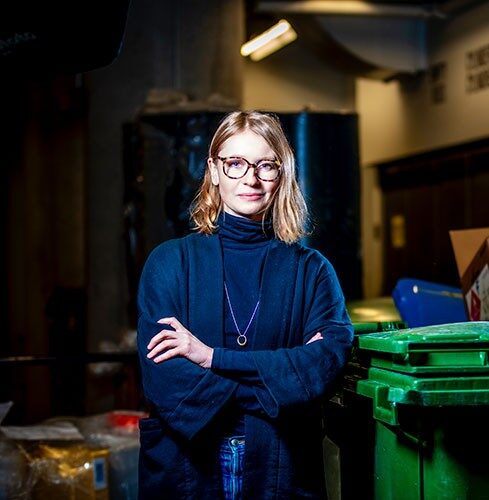
Kelly Jazvac
Kelly Jazvac is Textiles and Materiality co-director alongside Miranda Smitherham. Kelly works with plastic waste to probe the permanence of disposability. She often re-works found images from advertisements printed on plastic into new site-specific installations. She is also part of a SSHRC-funded plastic pollution research team called The Synthetic Collective, which includes scientists, artists and writers. She has upcoming exhibitions at MoMA (New York); Fierman Gallery (New York); The Musée D’Art Contemporain (Montréal), and Art Museum at the University of Toronto. Her recent exhibitions include the Eli and Edyth Broad Museum (East Lansing); Ujazdowski Castle CCA (Warsaw); and Fierman Gallery (New York). Her work has been written about in National Geographic, e-flux Journal, Hyperallergic, Art Forum, The New Yorker, Border Crossings, Canadian Art, C Magazine and The Brooklyn Rail. Her collaborative art/science research has been published in scientific journals including Nature Reviews, GSA Today, and Science of the Total Environment. She is based in Montreal, where she is an Associate Professor of Sculpture in the Department of Studio Arts.
See more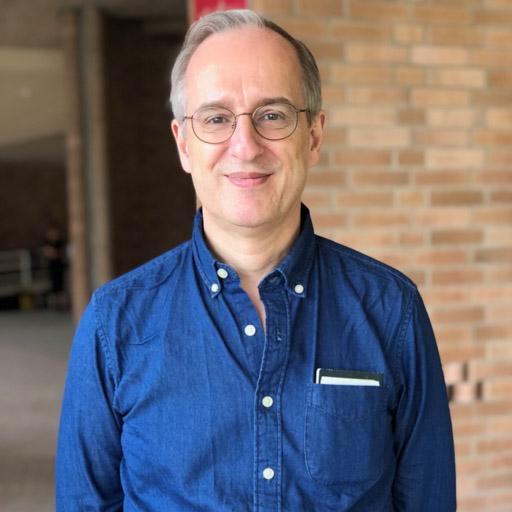
Ricardo Dal Farra
Dr. Ricardo Dal Farra is a composer and new media artist, educator, historian, and curator working in the intersection of the arts, sciences, and technology. He is a Professor at the Music Department of Concordia University, Canada. He has been researcher and consultant on electroacoustic music and media arts history for UNESCO, France; director of the Hexagram Centre for Research-Creation in Media Arts and Technologies, Canada; associated researcher of the Music, Technology and Innovation Research Centre at De Montfort University, in the UK; senior consultant of the Amauta - Andean Media Arts Centre in Cusco, Peru; coordinator of the international research alliance DOCAM - Documentation and Conservation of the Media Arts Heritage; and director of the Multimedia Communication national program at the Federal Ministry of Education, Argentina.
See more
Gabriel Vigliensoni
Gabriel Vigliensoni is an electronic music artist, performer, and researcher whose work currently explores the creative affordances of the machine learning paradigm in the context of sound- and music-making. His practice merges formal musical training with extensive studies and experience in sound recording, music production, music information retrieval, human-computer interaction, and machine learning to explore and develop novel approaches to music composition and performance. Vigliensoni views sound and music as shared experiences that are completed through audience interaction. Over his extensive career, he has experimented with techno and breakbeat, merged krautrock with electronica, explored vocal-driven songs outside traditional pop formats, and utilized procedural composition techniques to challenge the liveness and immediacy of digital music production. He earned a PhD in Music Technology from McGill University and currently serves as an Assistant Professor in Creative Artificial Intelligence in the Department of Design and Computation Arts at Concordia University.
See more
Mark K. Watson
Watson joined the Department of Sociology & Anthropology, Concordia University as Assistant Professor in July 2008 but had first moved to Montreal in 2006 to take up a position as Postdoctoral Fellow in the Comparative Study of Indigenous Rights and Identities in the Department of Anthropology, McGill University. There, he developed his work on Indigenous Ainu in Tokyo in terms of thinking about Urban Indigenous Studies as a coherent (sub-)field of anthropological research. He did his doctoral work in Anthropology at the University of Alberta between 2000-2005, two years of which he spent doing fieldwork as Visiting Researcher at the Institute for International Culture, Showa Women’s University, Tokyo, Japan. He also spent eight months at the Centre for Japanese Research, Institute of Asian Studies, University of British Columbia. His doctoral thesis (2006) was entitled Kanto Resident Ainu and the Urban Indigenous Experience.
See more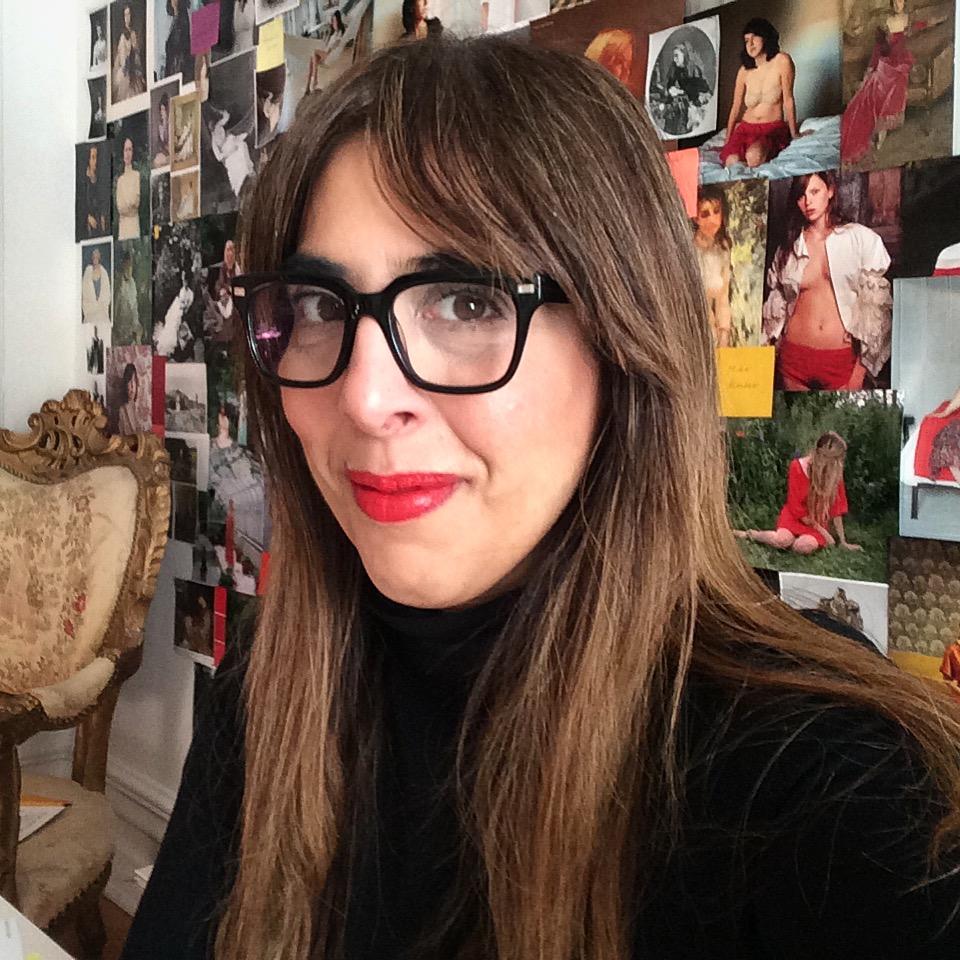
Marisa Portolese
Marisa Portolese is a member (and past co-director) of the Post Image Research Cluster and is an Associate Professor in the Photography Program in the Faculty of Fine Arts at Concordia University. Portraiture, representations of women, narrative, autobiography, the figure in nature, cultural heritage and immigration are major and recurrent subjects in her practice. She often produces large-scale color photographs, rich in painterly references that concentrate on elucidating facets of human experiences in relation to psychological and physical environments, relating to larger themes concerning identity and spectatorship. She attempts to weave together gesture, affect, and the nuances of the gaze, to create an immersive and emotional landscape for the viewer. Her current research focuses on the cultural legacy of the Goose Village and how the hallmark event of Expo 67 caused the demolition of this working-class neighbourhood and displaced an entire community mostly made up Irish and Italian immigrants that included her parents.
See more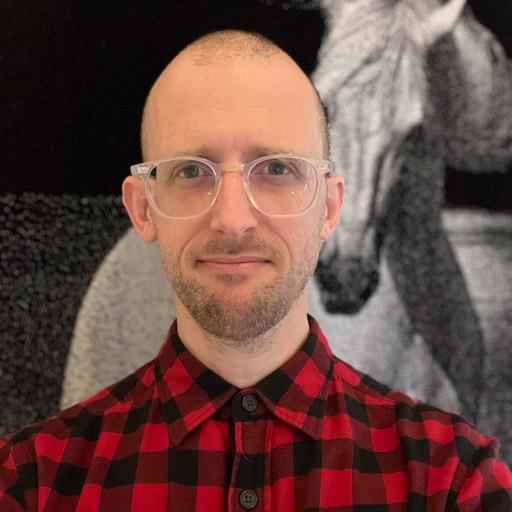
Pippin Barr
Pippin Barr is a video game maker, educator, and critic who lives and works in Montréal. He is a prolific maker of videogames, producing games addressing everything from airplane safety instructions to contemporary art and has collaborated with diverse figures such as performance artist Marina Abramovic and Twitter personality @seinfeld2000. Pippin is a well-known figure in the independent games world, serving as a judge or juror for many festivals, and his games have been covered in publications from the New York Times to Slate to Kotaku. He is an assistant professor in the Department of Design and Computation Arts at Concordia University, the associate director of the Technoculture, Art, and Games (TAG) Lab, and a visiting lecturer in the Institute of Digital Games at the University of Malta. He holds a Ph.D. in Computer Science from Victoria University of Wellington, New Zealand on the subject of "videogame values." Pippin also writes a blog of game and game design criticism at www.pippinbarr.com and his book, How to Play a Video Game, introduces the uninitiated and culturally curious to the world of video games.
See more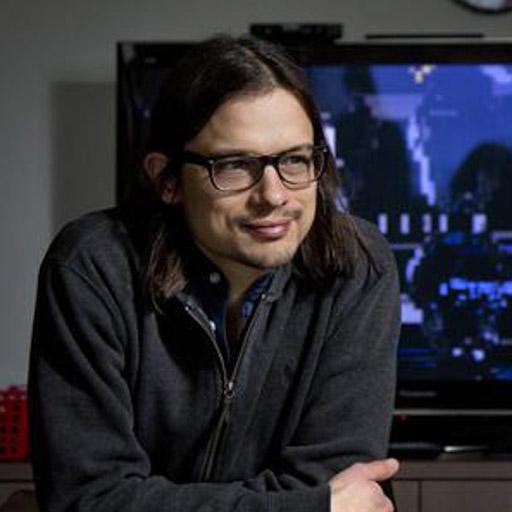
Jonathan Lessard
Game designer, professor, and researcher, holder of the Behaviour Interactive Research Chair in Game Design. I have been exploring the playful affordances of various technologies and concepts such as natural language processing and possible worlds theory for the past decade. My main research interests include emergent narratives, complex simulations, natural language interactions, and game design history.
See more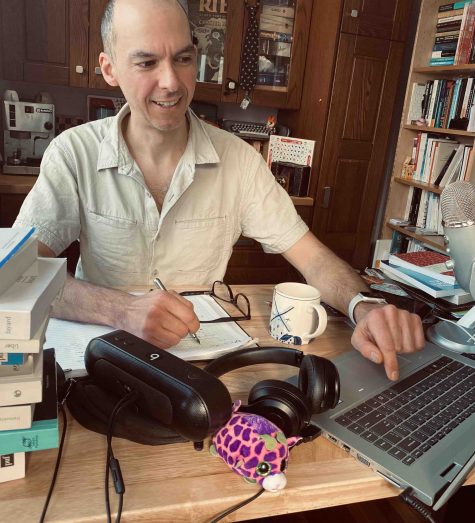
Olivier Charbonneau
Olivier Charbonneau is associate Director of the TAG Research Centre. As an Associate Librarian at Concordia University and compulsive blogger, Olivier is fascinated by how law and information mingle. He is a doctoral student at the Faculté de droit at Université de Montréal. He has over 15 years of professional involvement in library or cultural communities. He holds two masters degrees from Université de Montréal, one in information sciences and another in law, as well as an undergraduate degree in commerce from McGill University. He has kept a research blog since 2005 in French at www.culturelibre.ca and a work blog since 2011 in English at OutFind.ca. His interest centre around copyright, cultural economics, open access and any social media trend.
See more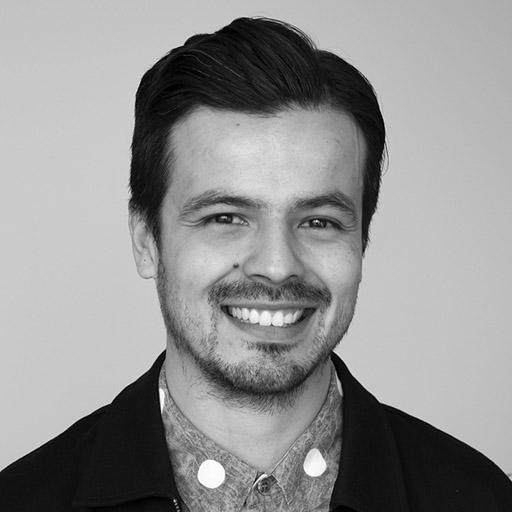
Juan Ortiz-Apuy
Juan Ortiz-Apuy is a Canadian-Costa Rican artist who has been living and working in Tiohtià:ke/Montreal since 2003. Ortiz-Apuy has a BFA from Concordia University (2008), a Post-Graduate Diploma from The Glasgow School of Art (2009), and an MFA from NSCAD University (2011). His work has been exhibited across Canada and internationally in venues such as Les Abattoirs Museum of Modern and Contemporary Art (France), IKEA Museum (Sweden), Pamflett (Norway), DHC/ART Fondation Phi pour l’art contemporain (Montreal), Owens Art Gallery (Sackville), Carleton University Art Gallery (Ottawa), MOMENTA Biennale de l’image (Montreal), Quebec City Biennial: Manif d'art 7 (Québec), Truck Contemporary Art (Calgary), Museum London (London), Gallery 44 Centre for Contemporary Photography (Toronto), VOX Centre de l’image Contemporaine (Montreal), and The MacLaren Arts Centre (Barrie).
See more